
Description
Brown-headed rush (Juncus phaeocephalus) is a perennial herbaceous plant belonging to the Juncaceae family. It is a moisture-loving species that thrives in wet environments, typically forming dense clumps that provide structural interest to riparian and wetland landscapes.
The plant originates from western North America, where it naturally occupies stream banks, marshes, and damp meadows. In cultivation, it is highly valued for its ability to thrive in regions where seasonal moisture levels are high, making it a perfect candidate for water-side landscaping and ecological restoration projects.
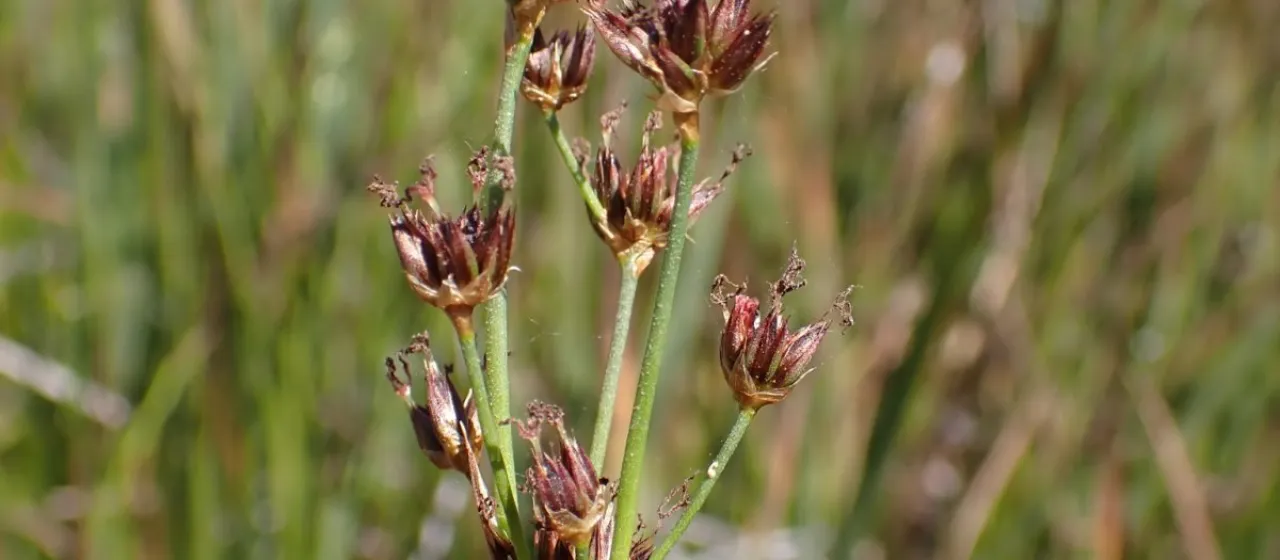
Botanically, it is characterized by stiff, upright stems that grow from short, creeping rhizomes. The plant typically reaches heights of 20 to 60 centimeters. Its most distinctive feature is the dense, dark brown flower heads that cluster at the tips of the stems, giving the plant its common name and providing a sophisticated aesthetic contrast to lighter green foliage.
Regarding agrotechnical requirements, the Brown-headed rush demands consistently moist to wet soil conditions. It prefers full sun to partial shade. In terms of maintenance, it is relatively undemanding but requires periodic division of mature clumps to prevent overcrowding and ensure vigorous growth during the spring season.
The primary horticultural and economic uses involve aquatic gardening, where it serves as a robust marginal plant for ponds and bio-filtration areas. While generally hardy, the plant is susceptible to occasional infestations of aphids or rust diseases if planted in stagnant, poorly ventilated areas, though it remains a resilient choice for specialized landscaping tasks.