
Description
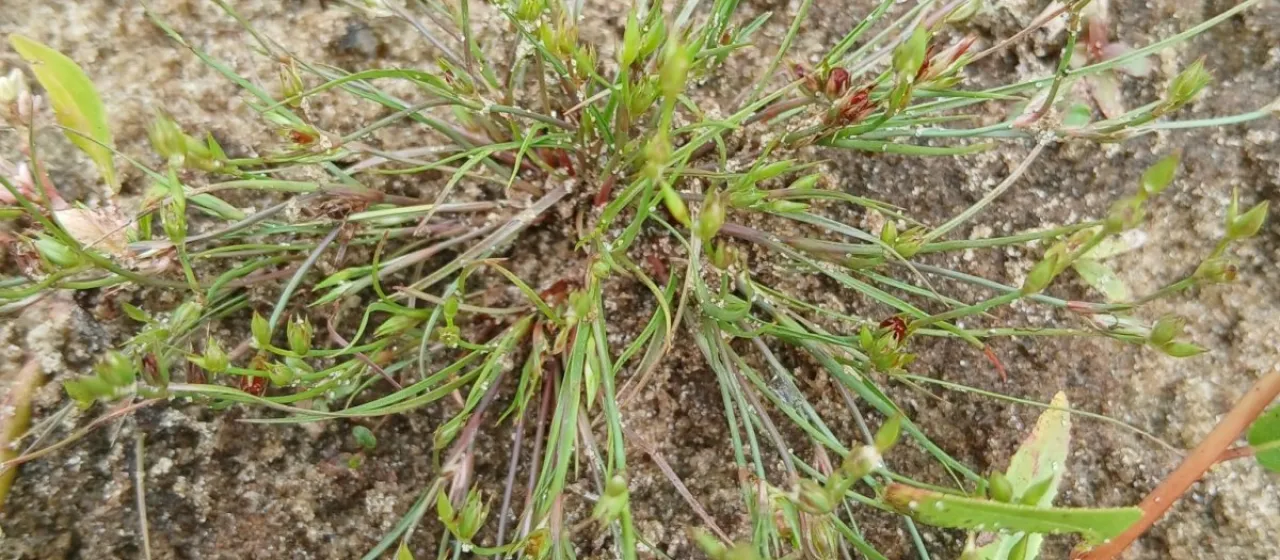
Toad rush (Latin Juncus ranarius) is an annual herbaceous plant belonging to the Juncaceae family. Within the agricultural sector, it is recognized as a specific type of hydrophytic vegetation that occupies damp, disturbed, or saline soil environments, often serving as a secondary component of lowland grassland ecosystems.
The plant originates from temperate regions across Eurasia and North America. It is typically found in habitats such as the margins of ponds, moist sandy depressions, and saline meadows. Its range is determined by its high tolerance to fluctuating water levels and saline conditions, which often limit the survival of more sensitive forage species.
From a botanical perspective, the toad rush exhibits a fibrous root system and slender, erect stems that typically reach 5 to 20 centimeters in height. The leaves are narrow and often rolled, allowing for efficient gas exchange under high moisture conditions. The reproductive cycle relies on the production of numerous small seeds that are capable of long-distance dispersal via surface water.
Agrotechnical management of Juncus ranarius involves maintaining the moisture balance of wetland pastures. The plant does not require high levels of nitrogen fertilization; rather, it thrives in environments with minimal human intervention. Success in managing areas populated by this species depends on preventing the invasion of competitive woody plants through controlled grazing or mowing.
The economic value of this species is largely ecological, acting as a stabilizer for wet grazing lands. While not a primary forage crop, it provides ground cover in areas unsuitable for intensive farming. Common threats include rust diseases under stagnant water conditions and competition from taller, invasive grasses. Proper drainage control remains the primary tool for managing the composition of the field.