
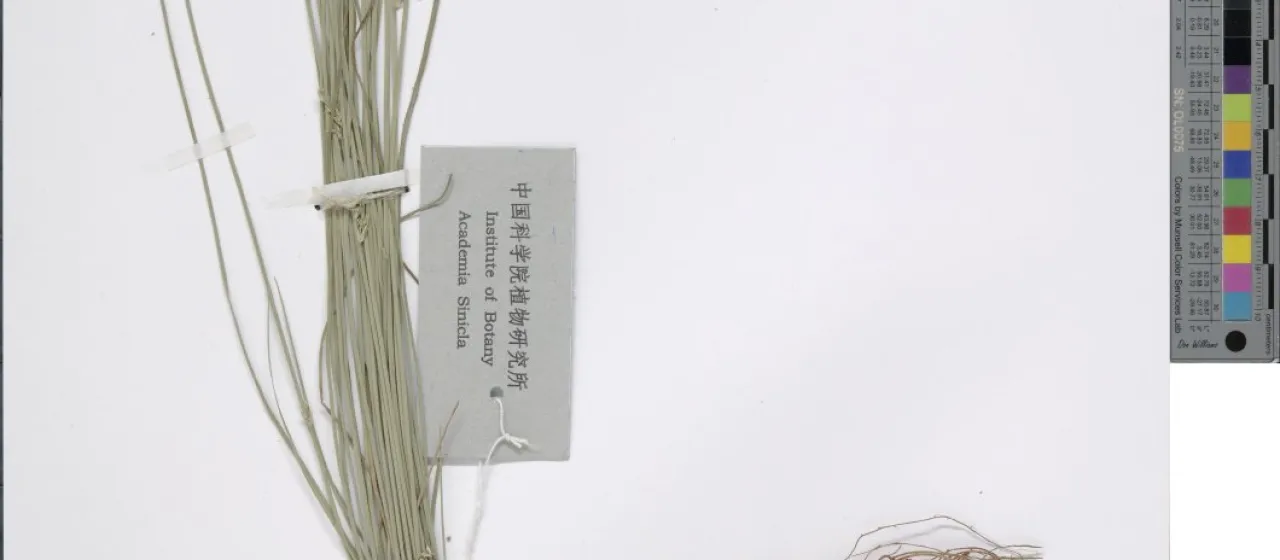
Description
Sichuan rush (Juncus setchuensis) is a perennial herbaceous plant belonging to the Juncaceae family. In agricultural practice, this species is highly valued for its long, flexible, and durable stems, which serve as a primary raw material for traditional weaving and industrial manufacturing processes.
The plant is native to East Asia, particularly widespread in China and Japan. It thrives in wetland habitats, such as riverbanks, marshlands, and irrigated fields. It requires a humid climate with high annual precipitation to achieve optimal growth. Cultivation is most successful in regions where the soil remains waterlogged or saturated throughout the growing season.
Botanically, it features cylindrical stems that can reach up to one meter in height. The stems contain a pithy interior that provides the material with both resilience and flexibility, qualities essential for high-quality weaving. The plant utilizes an underground rhizome system, which allows it to spread vigorously and colonize damp ground efficiently, often forming dense stands.
Agricultural management requires careful water control. Fields must be maintained in a swampy condition, often through controlled flooding of the plots. The crop prefers fertile, loamy soils that possess excellent water-retention capacity. Propagation is typically achieved through rhizome division, which ensures genetic consistency and faster establishment compared to seed sowing in field conditions.
The economic applications of Sichuan rush are diverse, focusing primarily on natural fiber products:
- traditional tatami mat manufacturing;
- weaving of baskets, mats, and decorative items;
- production of ecological mattress fillers;
- crafting of natural hats and woven footwear.
Common plant health issues include fungal stem blight, which often occurs in poorly ventilated, overly dense plantations. Pests such as stem-boring larvae can significantly affect the quality of the harvest if not monitored properly. Sustainable management relies on proper crop spacing, periodic drainage of the fields for maintenance, and strictly controlled irrigation regimes to maximize yield and stem health.