
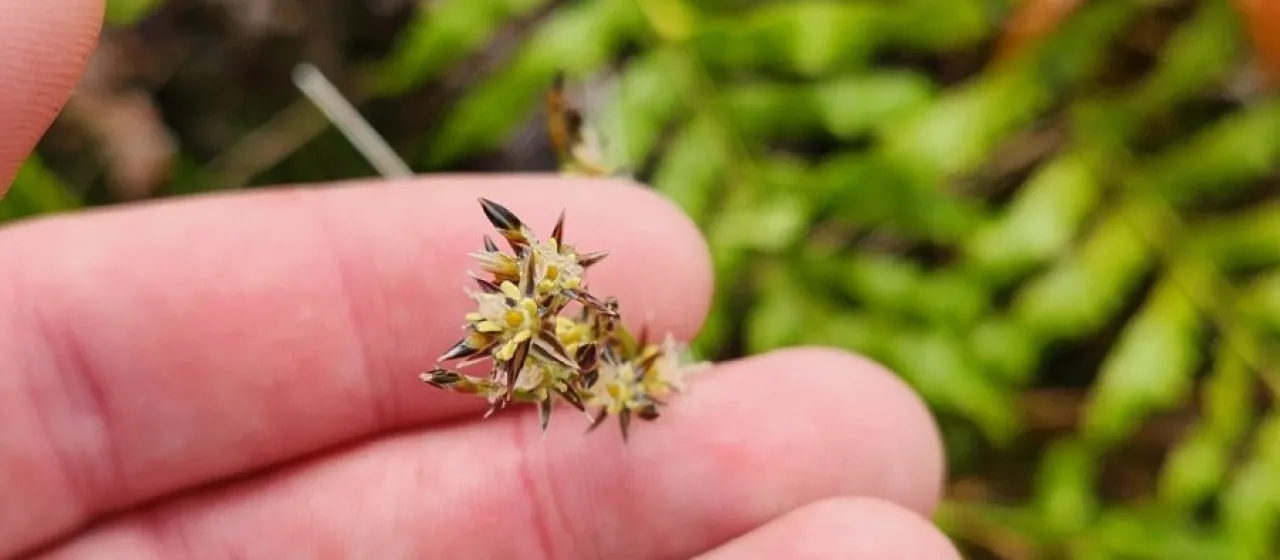
Description
Heath rush (Juncus squarrosus) is a perennial herbaceous plant belonging to the Juncaceae family. It is recognized as a hardy species that thrives in harsh, nutrient-poor, and waterlogged soil conditions where many other agricultural crops would fail to survive.
The plant originates primarily from Europe and parts of Western Asia. It is typically found in heathlands, moorlands, and damp pastures. Its presence is often considered a botanical marker for low-pH soils that have been subject to intense grazing or poor drainage over long periods.
Botanically, the Heath rush is distinguished by its dense, basal tufts of stiff, dark green leaves. The stems are wiry and upright, often reaching heights of up to 30 centimeters. It features a robust, fibrous root system that allows it to anchor effectively in loose, peat-rich, or sandy soils.
Regarding agronomic requirements, the species does not require nitrogen fertilizers and generally avoids high-nutrient environments. Agricultural management is usually centered on maintaining soil moisture levels, as the plant is highly intolerant to drought. It plays a significant role in preventing soil erosion on peat-based sites.
Economically, the plant is not considered a primary forage crop due to its tough, fibrous foliage which is unpalatable to livestock. However, it is utilized in land reclamation projects and ecological restoration. Common issues include fungal rusts when grown in suboptimal conditions, while pests are relatively rare due to the plant's high silica content.