
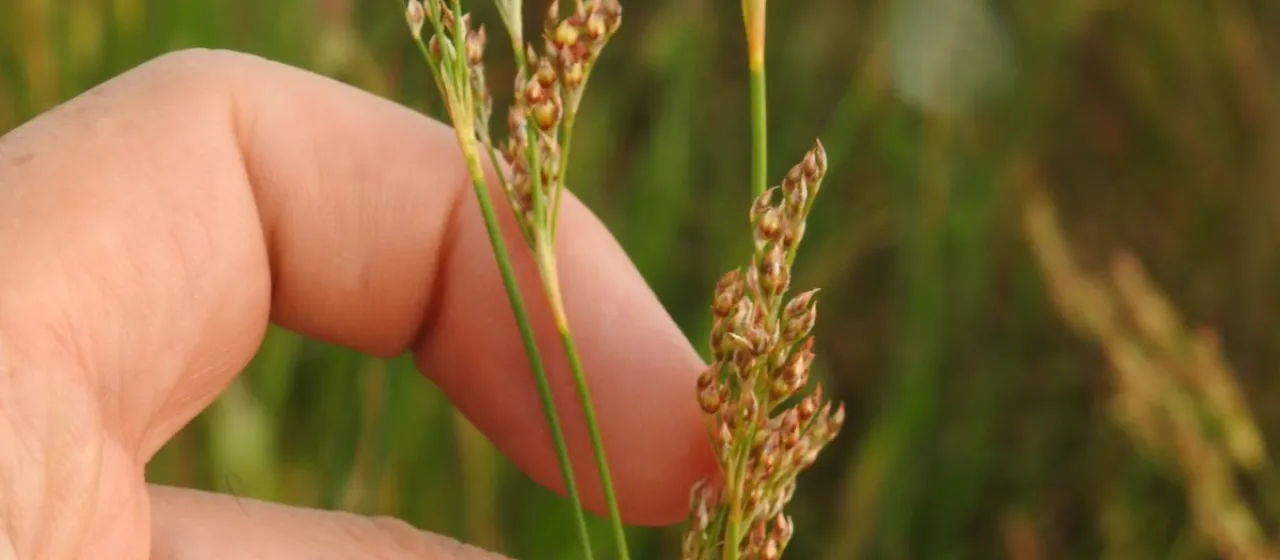
Description
Juncus subulatus, commonly known as the spine-leaved rush, is a perennial herbaceous plant belonging to the Juncaceae family. This species is recognized for its significant resilience in wetland environments and its ability to thrive in saline soils, making it a unique asset for specialized agricultural land management.
The plant originates from the Mediterranean region, Central Asia, and parts of Africa. It typically inhabits moist meadows, marshes, and salty coastal areas. Its natural distribution demonstrates an evolutionary adaptation to environments that are often unsuitable for conventional crops, highlighting its potential for marginal land utilization.
Botanically, Juncus subulatus features dense clumps of stiff, needle-like stems that can grow up to 80 centimeters tall. The root system is characterized by vigorous, creeping rhizomes, which create a dense underground network. These roots are instrumental in stabilizing soils in areas prone to periodic flooding or heavy moisture accumulation.
Agronomic requirements are focused on moisture availability and sunlight. While the plant is notably hardy, it performs best in full sun exposure. Cultivation practices involve monitoring soil salinity levels, as the plant possesses a high tolerance for salt, which can be leveraged for salt-affected land reclamation efforts.
The economic and environmental uses of this species are diverse:
- Erosion control on unstable embankments and shorelines.
- Phytoremediation of contaminated water or soils.
- Raw material for artisanal basketry and traditional weaving.