
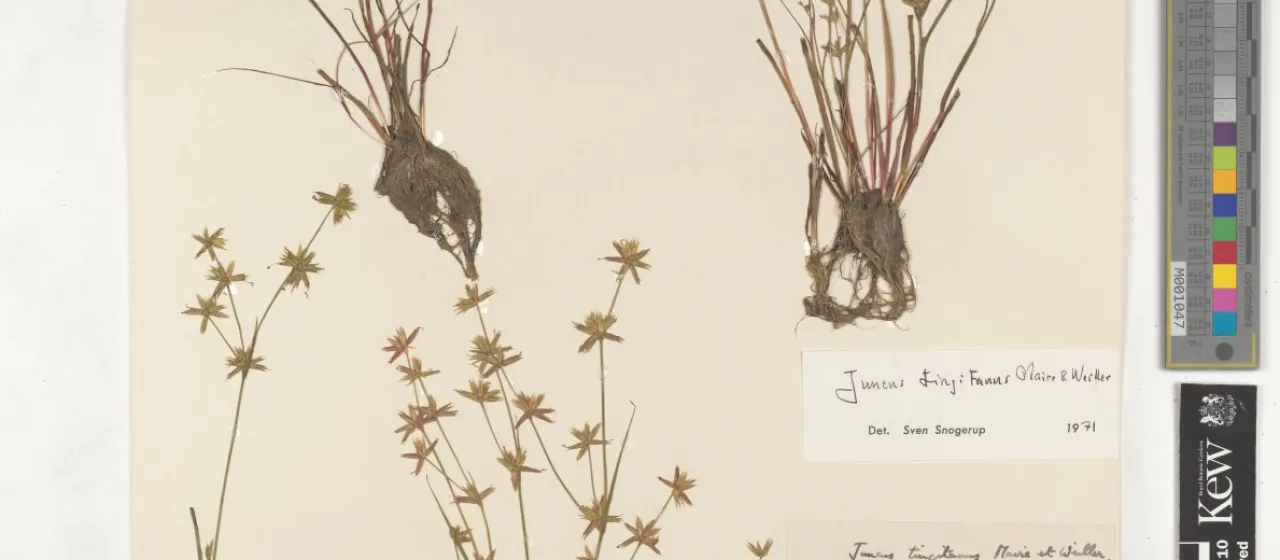
Description
Tangier rush (Juncus tingitanus) is a perennial herbaceous plant belonging to the Juncaceae (rush) family. This species is highly adapted to wetland environments, functioning as a vital component of aquatic and semi-aquatic ecosystems. Its biological characteristics make it an essential subject for studies regarding land reclamation and coastal stabilization.
The plant originates primarily from the Mediterranean basin and North Africa. Its natural distribution is linked to wet meadows, marshes, and the periphery of water bodies. This environmental background dictates its primary adaptation strategy, which emphasizes survival in soils with high hydraulic conductivity and varying salinity levels, reflecting its evolutionary success in challenging wetlands.
Botanically, Juncus tingitanus is defined by its erect, cylindrical stems which lack prominent foliage. The root system is typically rhizomatous, allowing the plant to spread effectively and stabilize loose substrates. The flowers are small, often greenish or brownish, clustered in lateral or terminal inflorescences that facilitate wind-assisted pollination across moist habitats.
Cultivation requirements for the species include consistent moisture availability throughout the growing season. The plant thrives in loamy or peat-rich soils. From an agronomic perspective, management involves regulating water levels and preventing the encroachment of invasive woody species that might compete for nutrients and light in its specific ecological niche.
The economic value of this crop is largely ecological. It is used in phytoremediation projects, where it helps remove excess nutrients from water bodies, and in landscape architecture for erosion control. While not a major fodder crop, it provides necessary structure to ecosystems. Producers should monitor for fungal pathogens that flourish in stagnant water and address localized pest outbreaks through integrated pest management techniques.