
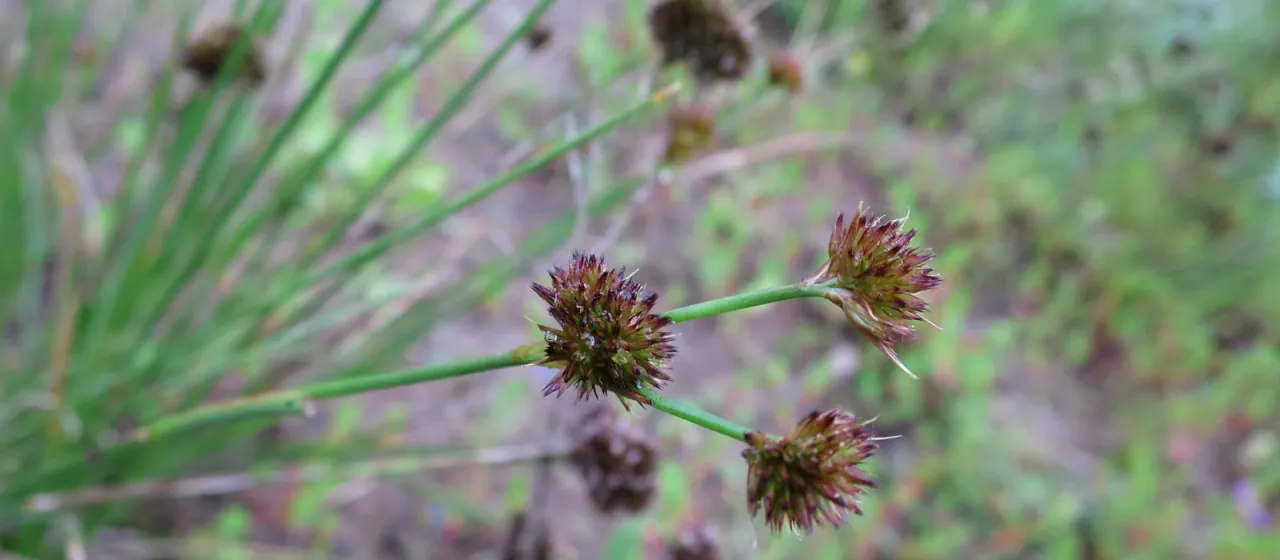
Description
Juncus valvatus is a perennial herbaceous plant belonging to the Juncaceae family. It is a highly specialized species adapted to wetlands, characterized by its ability to thrive in environments where water levels remain high throughout the growing season.
Botanically, this species is noted for its leafless appearance, where the stems serve as the primary photosynthetic organs. Its root system consists of robust rhizomes that provide anchorage in saturated substrates, helping to stabilize soil structures and prevent shoreline degradation in aquatic ecosystems.
In terms of habitat, Juncus valvatus prefers regions with moderate climates and is typically found in swamps, marshy meadows, or along the edges of permanent water bodies. It requires nutrient-rich, slightly acidic soil to flourish and generally performs best in full sunlight, avoiding heavy shade which can inhibit its development.
Agronomic management of this plant focuses on maintaining a precise water balance. Although not a traditional field crop, it is cultivated for specific commercial and environmental purposes. Key aspects of its husbandry include:
- monitoring water table levels;
- periodic thinning of the stands;
- management of competing vegetation.
The primary agricultural and environmental use of Juncus valvatus is in phytoremediation projects, where it acts as a biological filter for purifying wastewater. It is also utilized in sustainable landscape design for water retention areas. Common threats include fungal rot if stagnant water conditions become anaerobic or if the plant is subjected to severe pest infestations common in wetlands.