
Description
Kansu juniper (Juniperus kansuensis) is a robust evergreen coniferous species belonging to the Cupressaceae family. Known for its resilience and unique aesthetic appeal, this plant is highly valued for both ornamental landscapes and ecological restoration projects in mountainous regions where other species might struggle to survive.
The origin of this species is linked to the high-altitude terrains of Western China, particularly the Gansu province. This geographic history has conditioned the plant to thrive in harsh climates characterized by thin mountain air, intense ultraviolet exposure, and significant temperature fluctuations between day and night, making it an exceptionally hardy plant in temperate zones.
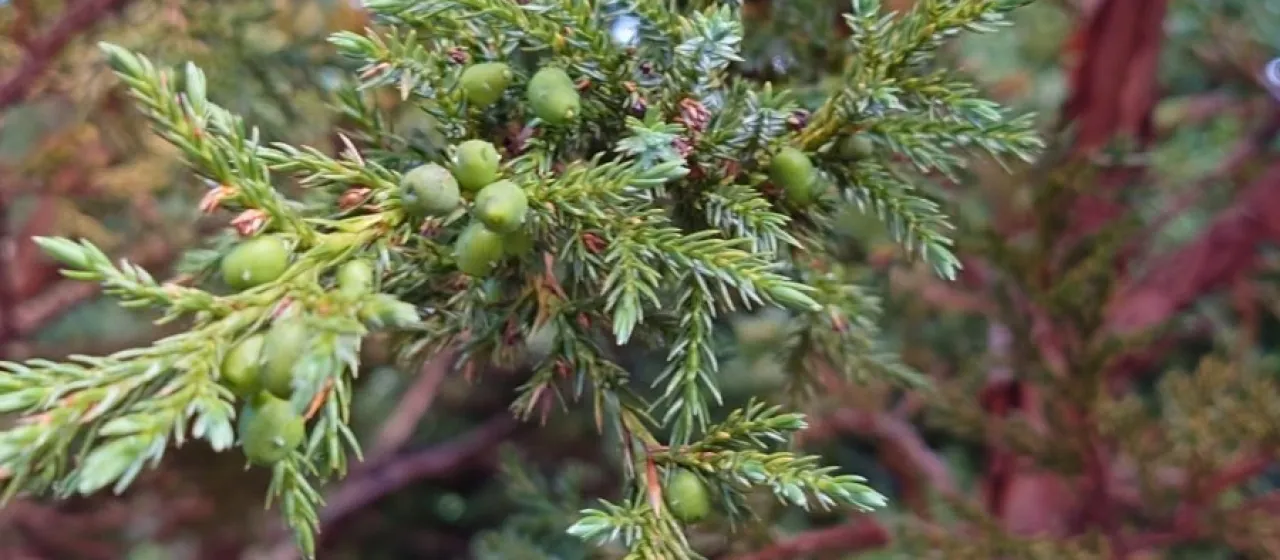
Botanically, the plant features a dense growth habit with scale-like needles that provide a distinctive texture to the foliage. The reproductive structures, known as cones, develop into small, berry-like fruits that mature to a dark, glaucous shade. Its root system is deep and expansive, which is a structural adaptation for anchoring in loose, rocky, or nutrient-poor substrates.
From an agrotechnical perspective, the cultivation of Kansu juniper requires a focus on soil aeration and drainage. It performs best in well-draining, calcareous to neutral soils and is sensitive to waterlogged conditions that can cause root rot. While the species is drought-tolerant once established, supplemental irrigation is recommended during the first two years after planting to ensure successful root development.
The economic and practical usage of this species is primarily focused on environmental protection and horticulture. It serves as an excellent stabilizer for steep slopes due to its extensive root structure, preventing soil erosion. In ornamental applications, it is a versatile choice for rock gardens, windbreaks, and xeriscaping projects where water conservation is a priority.
- Requires full sun to partial shade for optimal growth.
- Avoid heavy clay soils to prevent moisture-related fungal issues.
- Pruning should be done carefully to maintain the natural shape of the bush.
- Annual monitoring for pests like spider mites and scale insects is advised.
Common health challenges for the species include rust diseases and blight, which are often triggered by excessive humidity. Managing these issues requires regular air circulation around the canopy and the removal of infected plant matter. Protective treatments with copper-based fungicides or appropriate insecticides during the growing season are effective strategies for maintaining a healthy plantation.