
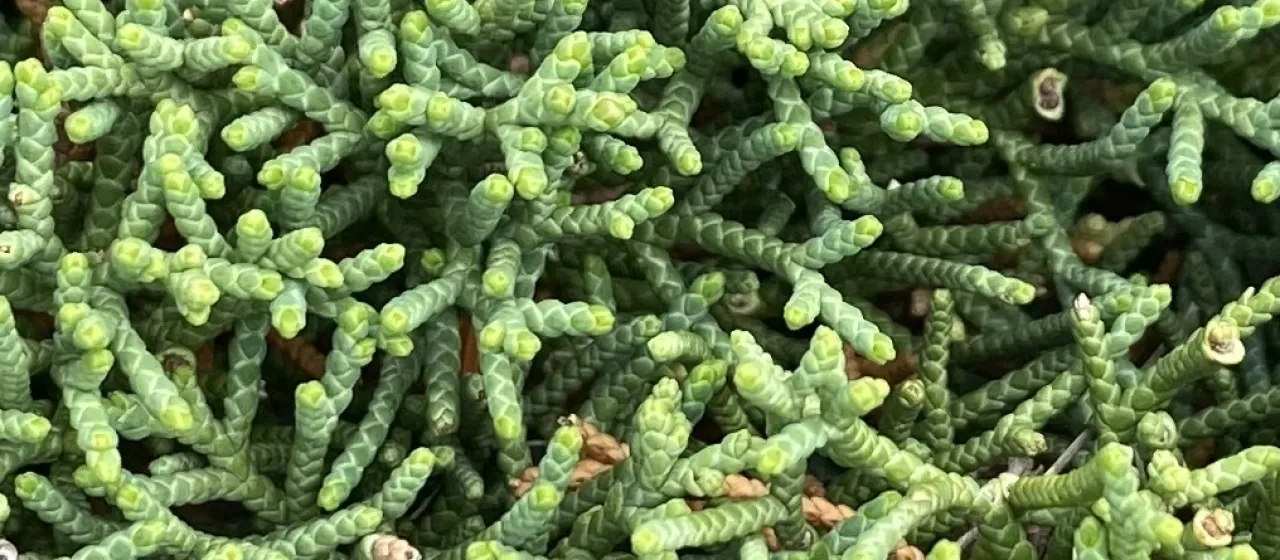
Description
Sargent's juniper (Juniperus sargentii) is a hardy, prostrate evergreen shrub belonging to the Cupressaceae family. This species is highly valued in horticulture for its dense, spreading habit and exceptional tolerance to coastal and harsh climatic environments.
The plant is native to East Asia, including regions of Japan, the Kuril Islands, and the Korean Peninsula. Because it evolved in challenging mountainous and coastal areas, it has developed significant resistance to wind, cold winters, and nutrient-poor soils, making it an excellent choice for sustainable landscaping.
Botanically, this juniper is characterized by its creeping branches that form a thick, low-growing mat. The foliage is typically scale-like and ranges in color from deep green to a glaucous blue-green. The plant exhibits a slow growth rate, allowing it to maintain a compact and uniform appearance over many years without aggressive pruning.
Cultivation requires well-drained soil, as the species is highly susceptible to root rot if waterlogged. It thrives in full sun, which promotes denser foliage growth and better color. While it is drought-tolerant once established, providing consistent moisture during the first few growing seasons will ensure the plant develops a robust root system.
Its primary agricultural and landscape uses include:
- Erosion control on slopes and embankments.
- Groundcover for low-maintenance garden sections.
- Rock garden and alpine design integration.
- Creating ornamental edges along walkways and stone structures.
Common issues include fungal infections like rust and blight, often exacerbated by poor air circulation or excessive humidity. Pests such as juniper scale and spider mites may also pose a threat. Effective management relies on proper site selection, pruning for airflow, and integrated pest management practices when specific symptoms appear.