
Description
Justicia adhatoda, commonly known as Malabar nut, is a perennial evergreen shrub belonging to the Acanthaceae family. This plant is globally recognized for its significant medicinal properties, particularly in treating respiratory disorders. The plant typically grows as a dense, robust bush, making it a sustainable choice for herbal crop plantations in tropical regions.
Native to the Indian subcontinent and Southeast Asia, Justicia adhatoda thrives in tropical and subtropical climates. Its natural habitat includes open plains and forest edges where temperatures remain stable throughout the year. Due to its versatility, it is now cultivated in various parts of the world, provided the climatic conditions mimic its native warm and humid environment.
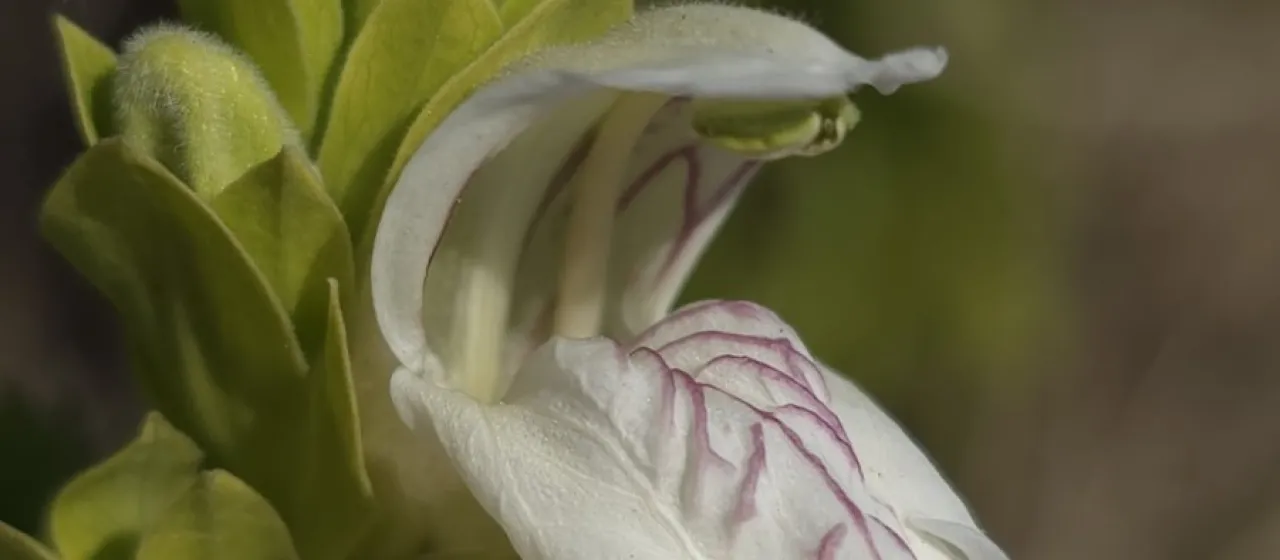
Botanically, the plant is characterized by large, opposite, lance-shaped leaves and dense spikes of white flowers with subtle purple markings. The plant exhibits a vigorous growth habit and can reach considerable heights when conditions are optimal. Its root system is deep and fibrous, which helps the shrub establish itself effectively in diverse soil profiles after the initial planting stage.
For successful cultivation, Justicia adhatoda requires fertile, well-draining soil with a slightly acidic to neutral pH. Agronomic practices should focus on maintaining consistent soil moisture, especially during the early growth phases. Regular pruning is essential to encourage lateral branching, which increases the overall leaf yield, as the leaves are the primary part of the plant used for harvesting.
The primary economic use of Justicia adhatoda is in the pharmaceutical industry, where its leaves are processed to extract alkaloids such as vasicine, utilized in antitussive and bronchodilator drugs. Furthermore, the plant is valued for its potential in agroecology, as its leaf extracts function as natural bio-pesticides, protecting crops from various insect threats in an environmentally friendly manner.
Common issues faced by cultivators include:
- Powdery mildew development in high-humidity, low-airflow environments.
- Root rot caused by excessive water stagnation in poorly drained soils.
- Spider mite infestations during periods of hot, dry weather.
- Aphid colonization on tender new growth, requiring immediate integrated pest management.