
Description
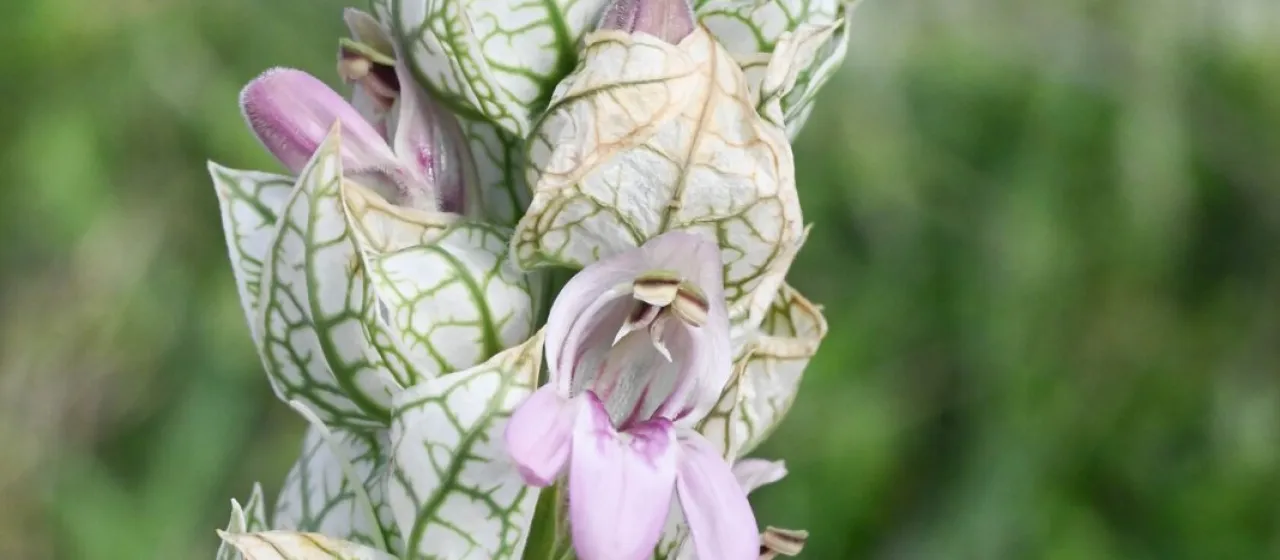
The white shrimp plant (Justicia betonica) is an evergreen shrub species within the Acanthaceae family. It is recognized for its unique, ornamental inflorescences characterized by white, papery bracts with distinct green venation, which resemble the shape of a shrimp, leading to its common English name.
Native to tropical regions of Africa and Asia, including the Indian subcontinent, the plant thrives in warm, humid climates. In its natural habitat, it is typically found in shaded forest areas or along riverbanks. Due to its tropical origins, it requires consistent environmental conditions to flourish in cultivation settings.
Botanically, Justicia betonica is characterized by its opposite, lance-shaped leaves and dense spike-like flower clusters. The plant can reach a height of one to two meters depending on pruning practices and environmental quality. Its growth habit is relatively bushy, making it an excellent candidate for tropical landscaping or greenhouse collections.
- Requires well-draining, nutrient-rich potting soil.
- Thrives in partial shade or bright, indirect sunlight.
- Requires consistent moisture, avoiding both waterlogging and drought.
- Needs regular pruning to maintain a bushy shape and encourage blooming.
In terms of practical application, the plant is mainly grown for aesthetic purposes in botanical gardens and home conservatories. Some traditional cultures have utilized parts of the plant for medicinal purposes, particularly for respiratory and dermatological health. Common pests affecting this species include spider mites, mealybugs, and aphids, which should be managed with integrated pest control measures.