
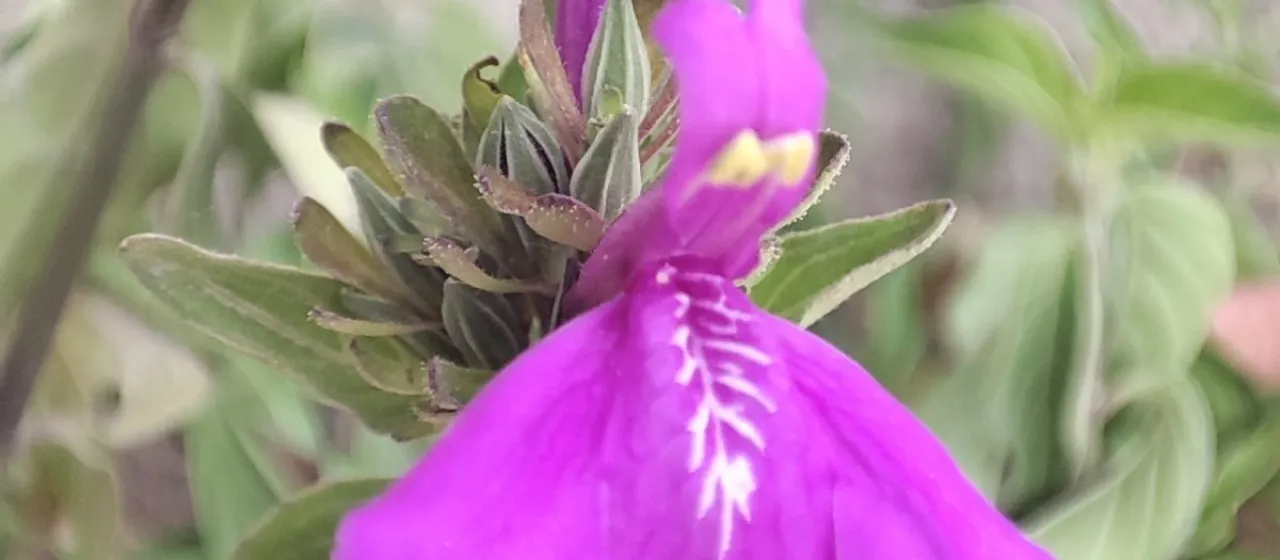
Description
Justicia carthaginensis is a perennial herbaceous plant or small shrub belonging to the Acanthaceae family. In agricultural and horticultural contexts, it is highly valued for its ornamental characteristics and its ability to thrive in warm, humid environments, making it a popular subject for both greenhouse production and decorative landscaping in tropical regions.
The plant is native to the tropical zones of Central and South America, including the Caribbean region. Its natural habitat consists of humid forests and woodland edges, where it benefits from consistent moisture and filtered sunlight. In modern cultivation, its range is extended globally through specialized glasshouse and indoor nursery systems that mimic its native climate.
Botanically, Justicia carthaginensis is characterized by opposite leaves and distinctive bilabiate flowers arranged in terminal spikes. The plant habit can be either upright or spreading, necessitating regular pruning to encourage bushy growth and maintain structural integrity. Its reproductive biology is adapted for cross-pollination by insects, which is a key factor in seed production.
Successful cultivation requires a fertile, well-draining potting medium enriched with organic matter. The crop demands a consistent moisture regime; both extreme drought and waterlogged conditions are detrimental to its health. It performs best in partial shade, as direct, intense sunlight can scorch the foliage and reduce the longevity of its blooming period.
Growers should monitor the crop for common pests and diseases that often affect the Acanthaceae family, such as:
- Spider mite infestations, typically exacerbated by dry indoor air.
- Fungal leaf spots caused by poor ventilation and high humidity.
- Root rot pathogens, often triggered by over-irrigation or cold, damp substrate conditions.