
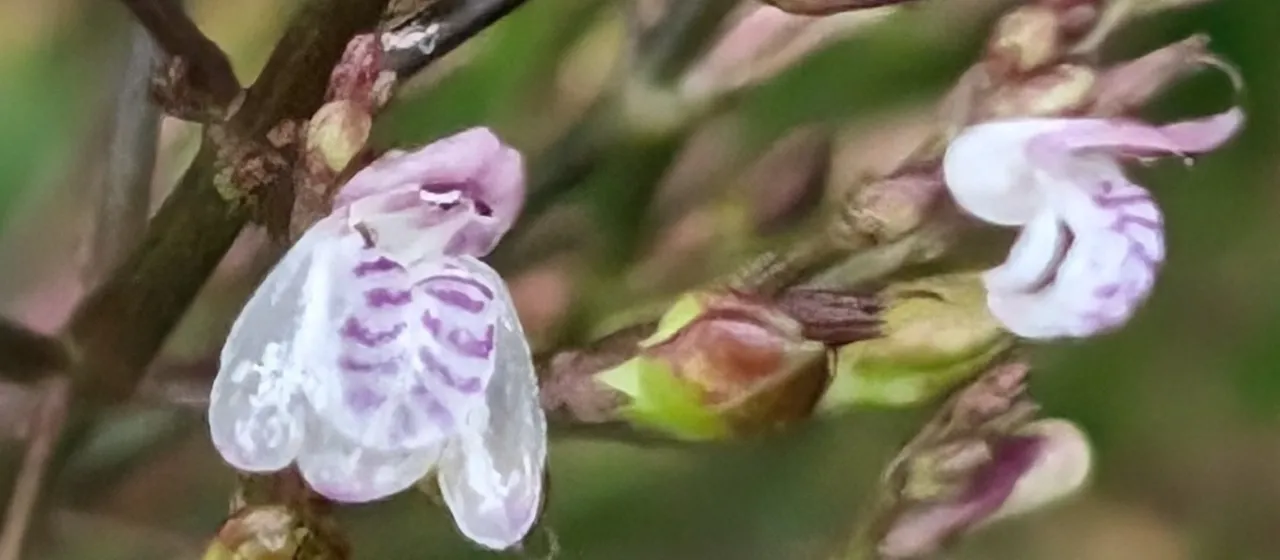
Description
Justicia comata is a perennial herbaceous plant belonging to the Acanthaceae family. Within agricultural and botanical circles, it is recognized for its robust growth habit in tropical environments and its significant potential as a specialized crop for secondary metabolite extraction.
Native to the tropical regions of Central and South America, the species thrives in riparian zones and humid forests. Its historical range is dictated by high precipitation levels and the availability of nutrient-rich, damp soils. In modern cultivation, the plant is typically grown in areas that replicate these forest-floor conditions to ensure maximum vegetative output.
The botanical structure of Justicia comata includes upright to ascending stems with lanceolate leaves and terminal spike-like inflorescences. The flowers are small and relatively modest, emphasizing that the primary value of the crop lies in its foliage and stem tissues rather than ornamental characteristics. Its growth cycle is characterized by rapid biomass accumulation during the warm, wet seasons.
Cultivation requirements demand consistently warm temperatures and high relative humidity. The soil medium must be well-drained yet moisture-retentive, ideally enriched with organic matter to support the plant's nutrient needs. Proper agronomic management includes systematic pruning to encourage branching, careful irrigation to prevent root rot, and adequate shading to protect the leaves from excessive solar radiation.
The crop serves various economic and practical purposes, particularly in the fields of ethnobotany and pharmacology. Key applications include:
- Harvesting biomass for traditional medicinal formulations.
- Utilizing extracts in cosmetic and dermatological product development.
- Application in tropical permaculture as a soil-covering and moisture-retaining plant species.
Maintenance and protection of Justicia comata plantations involve monitoring for fungal pathogens that target the roots during periods of poor drainage. Common pests, such as aphids and spider mites, are managed through integrated pest management (IPM) strategies, which prioritize the use of biological controls to maintain the integrity of the harvestable plant material.