
Description
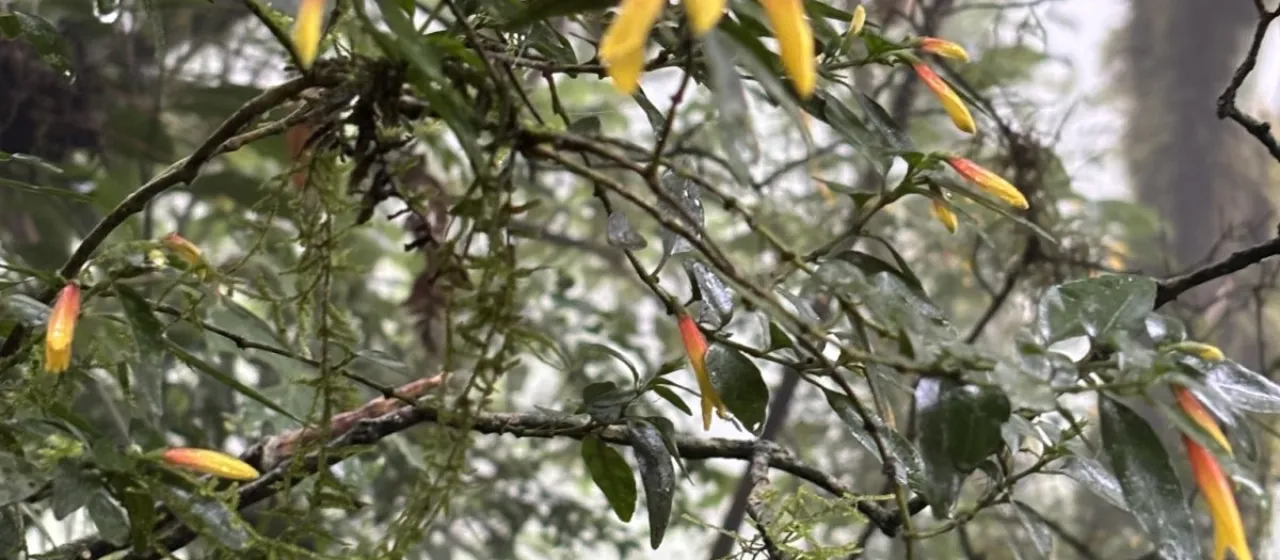
Justicia floribunda, commonly referred to as the Brazilian fuchsia or Jacobinia, is a notable evergreen subshrub belonging to the Acanthaceae family. This species is highly regarded by botanists and indoor plant enthusiasts alike for its unique, tubular flowers that create a vibrant visual display in various controlled environments.
Originating from the tropical regions of South America, particularly Brazil, this plant thrives in environments characterized by high humidity and dappled shade. Its natural habitat is the forest floor or understory, which dictates the specific care requirements for successful cultivation in greenhouses or residential settings today.
From a botanical standpoint, Justicia floribunda features slender, branching stems and lanceolate leaves that provide a lush texture. The plant's primary decorative value comes from its distinct, bicolor blooms—typically red and yellow—that emerge in terminal spikes. These flowers are known for their ability to bloom repeatedly when provided with optimal conditions.
The cultivation of this crop requires well-drained, nutrient-rich soil and consistent moisture levels. It is essential to maintain a stable, warm temperature range and prevent the substrate from becoming waterlogged, which can trigger root diseases. Providing bright, indirect sunlight is key to promoting healthy foliage growth and consistent flower production throughout the year.
- Light: Requires bright, filtered light.
- Watering: Maintain consistent soil moisture, allowing the top layer to dry slightly.
- Fertilization: Use a balanced fertilizer during the active growing season.
- Pruning: Regular pruning encourages denser growth and more abundant flowering.
The primary use of Justicia floribunda is ornamental, commonly utilized in conservatory displays and interior landscaping. Growers should monitor for common pests such as spider mites, aphids, and scale insects, which often appear when air circulation is poor or humidity is low. Maintaining a clean growing environment is the best prevention against these potential issues.