
Description
Justicia gendarussa is a perennial evergreen shrub belonging to the Acanthaceae family. It is widely recognized in agriculture not only for its ornamental value but primarily as an important medicinal plant used for extracting active chemical compounds.
The plant is native to tropical regions of Southeast Asia, including India, China, and the Philippines. Its natural habitat includes moist lowland forests and riverbanks, where it thrives under high humidity and consistent warm temperatures throughout the year.
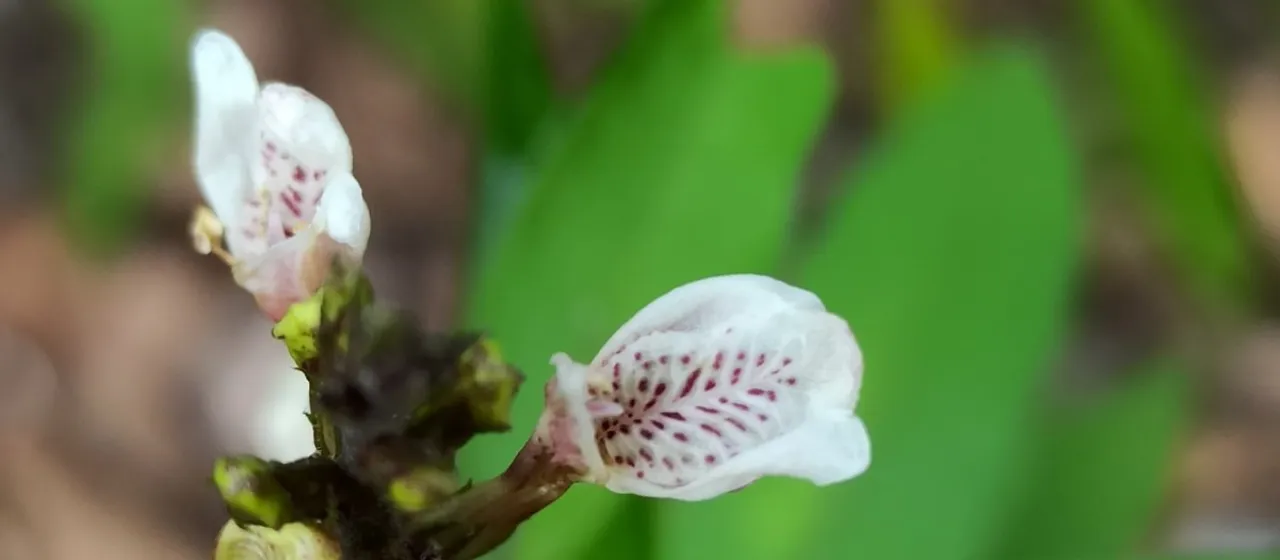
Botanically, the plant grows up to 1.5 meters tall, featuring lanceolate, opposite leaves and dense, spiky inflorescences with small white or pinkish flowers. The stems often exhibit a reddish or purple tinge, which distinguishes it from other related species within the Justicia genus.
Successful cultivation requires rich, well-draining soil and a consistent supply of moisture. While it prefers sunny to partially shaded locations, proper soil fertility management is crucial for maintaining the quality of the foliage, which is the primary part harvested for medicinal purposes.
Key economic and agricultural applications include:
- Harvesting leaves for pharmaceutical raw material.
- Use in traditional medicine for anti-inflammatory treatments.
- Application in landscaping as a robust, drought-tolerant hedge.
Pests such as spider mites and scales are common concerns in large-scale plantations, especially during the dry season. Effective management involves integrated pest control strategies and ensuring adequate spacing between plants to improve airflow and reduce the risk of fungal infections.