
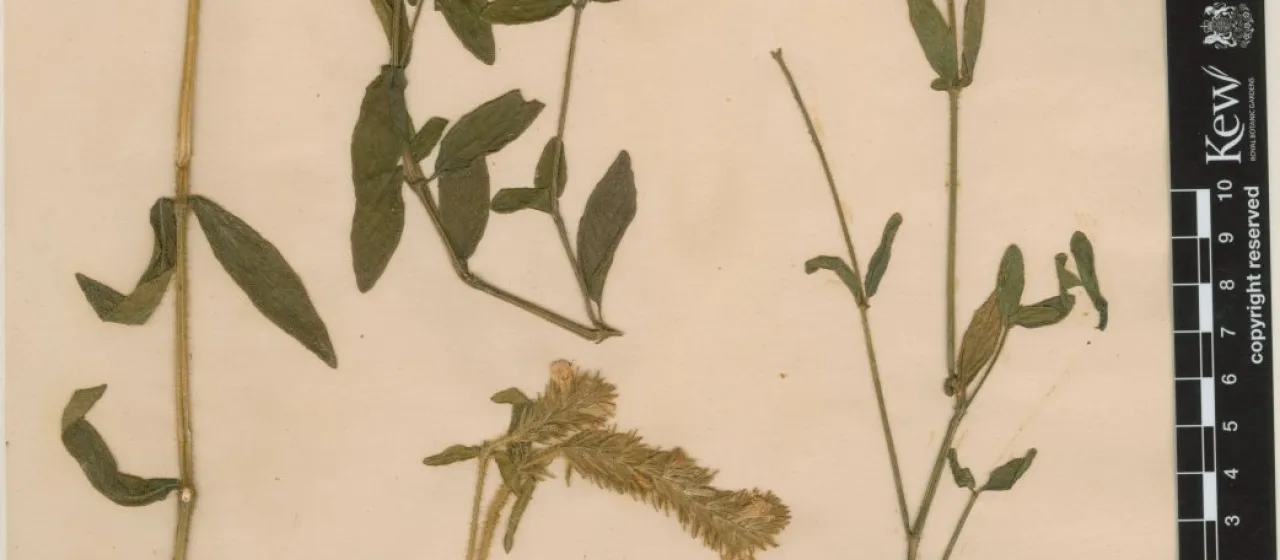
Description
Justicia khasiana is a perennial shrub belonging to the Acanthaceae family. Known for its distinct botanical traits, this species thrives in specialized ecological niches, making it a subject of interest for both professional botanists and enthusiasts of tropical flora.
Originating from the mountainous regions of North-East India, particularly the Khasia Hills, the plant is naturally adapted to forest environments. It requires habitats that provide shade and consistent humidity, which serves as a guiding principle for any attempt to replicate its natural setting in an agricultural or ornamental context.
Botanically, Justicia khasiana is distinguished by its opposite, often elliptic leaves and terminal or axillary inflorescences. The flowers are structurally typical of the genus, showing adaptations that facilitate pollination in its native environment. The plant’s growth pattern is generally compact, allowing it to adapt to smaller spaces if proper light is provided.
To successfully maintain Justicia khasiana, growers should focus on the following technical aspects:
- Lighting: Bright, indirect light to prevent leaf scorching.
- Substrate: A well-draining, nutrient-rich soil mix with slightly acidic properties.
- Temperature: A warm environment, avoiding drafts and cold shocks.
- Irrigation: Consistent moisture, ensuring the soil does not become waterlogged.
The primary utility of this plant is within the ornamental sector. It is prized by collectors who manage greenhouses or tropical indoor gardens. Due to its limited distribution and specific environmental needs, it is rarely found in mass-market agriculture but remains a jewel for specialized botanical collections.
When it comes to plant health, Justicia khasiana is susceptible to standard greenhouse pests like spider mites and mealybugs. Pathogens, such as fungal leaf spots or root rot, may develop if the ventilation is insufficient or if the roots remain constantly saturated. Proper air circulation and sanitation are essential for long-term health.