
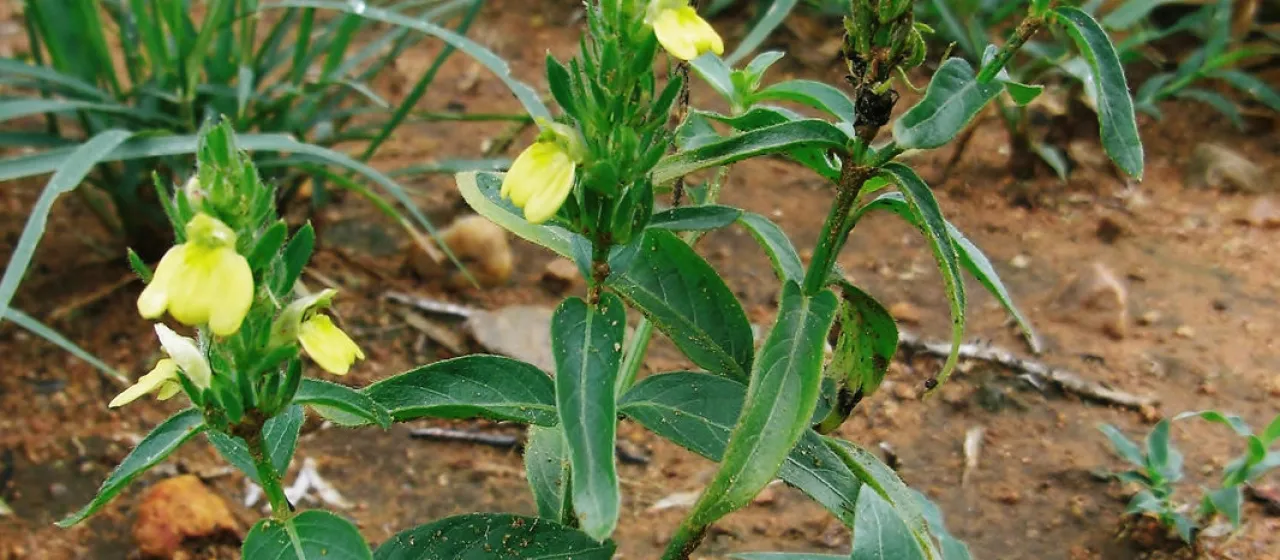
Description
Justicia palustris is a perennial herbaceous plant belonging to the Acanthaceae family. While it is not a traditional field crop, it is recognized in specialized horticulture and environmental management as a versatile species for wetland stabilization and decorative aquatic landscaping.
The origin of this species is traced back to the tropical and subtropical regions of the Americas. In its natural habitat, Justicia palustris thrives in marshy environments, along riverbanks, and in areas where the soil remains consistently saturated throughout the growing season, reflecting its evolution as a semi-aquatic plant.
Botanically, the plant is characterized by its upright stems and lanceolate, opposite leaves. Its reproductive biology features small, distinct flowers with a two-lipped corolla, often clustered in spikes. The root system is highly efficient at extracting nutrients from water-logged substrates, making it an effective plant for soil erosion control in damp areas.
Requirements for successful cultivation include high humidity, consistent moisture, and temperatures that mimic tropical conditions. The soil should be nutrient-rich, preferably loamy or silty, to support rapid biomass development. While it prefers partial shade to protect its leaves from scorching, it requires sufficient light for robust flowering and healthy stem growth.
Regarding its use, it is primarily valued for its role in phytoremediation and bio-filtration in artificial ponds and constructed wetlands. Producers must be vigilant against common greenhouse pests such as aphids and spider mites. Furthermore, gardeners should monitor for fungal pathogens that may appear if air circulation is poor or if the substrate remains stagnant in cold weather conditions.