
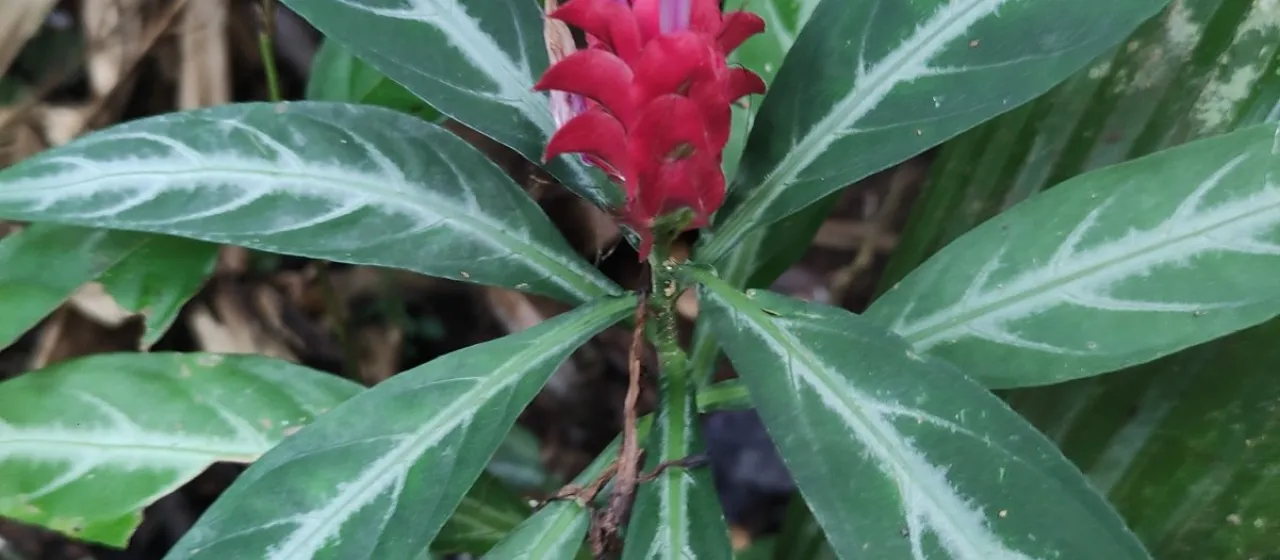
Description
Justicia scheidweileri is an attractive perennial herbaceous plant belonging to the Acanthaceae family. In international horticulture, this species is highly valued as an ornamental crop, primarily utilized in greenhouse production, botanical collections, and interior landscaping due to its unique aesthetic properties.
The plant originates from the tropical rainforests of South America, specifically Brazil. In its natural habitat, it thrives in the understory, where it is accustomed to filtered sunlight and consistently high atmospheric humidity. These ecological requirements are critical to its successful development when cultivated in controlled environments.
Botanically, Justicia scheidweileri is characterized by its distinct, textured foliage. The leaf blades often feature an intricate pattern of veins with contrasting light or silvery tones against a dark green surface. The inflorescences are typical of the Justicia genus, forming delicate spikes that contribute to the plant's overall visual appeal.
The agricultural management of this crop requires maintaining a stable temperature range of 20–25°C. The growing medium must be loose, well-draining, and rich in organic matter to mimic forest soil. Proper irrigation is essential; while the soil should remain moist, it is critical to avoid waterlogging, which can be detrimental to the root system.
- Watering: consistent moisture, using filtered water.
- Lighting: bright, indirect sunlight only.
- Substrate: peat-based mix with perlite or vermiculite.
- Propagation: stem cuttings in a humid, warm environment.
In terms of economic use, the plant is primarily marketed in the high-end nursery and interior foliage sector. It serves as a decorative element in indoor landscaping and specialty plant retail. Its compact growth habit and striking foliage patterns make it a desirable choice for greenhouse producers focusing on high-value ornamental species.
The most common issues affecting this plant include infestation by spider mites and scale insects, which often appear if the air humidity is insufficient. Furthermore, poor drainage can trigger fungal root diseases. Effective management relies on maintaining high humidity levels and ensuring excellent soil aeration, which prevents the development of most common pathogens.