
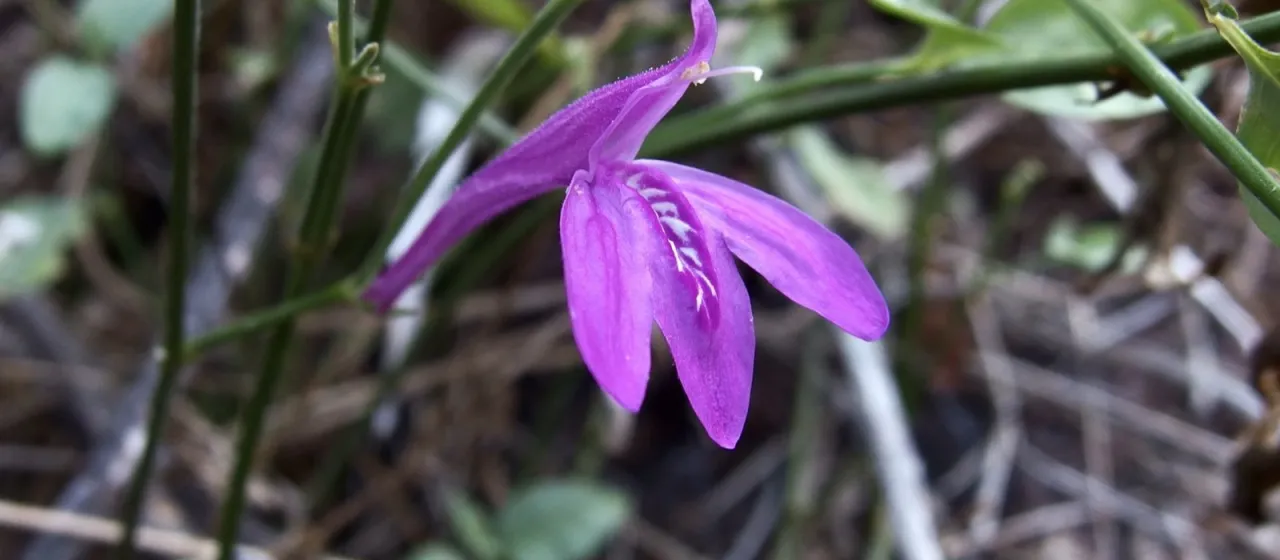
Description
Justicia sonorae is a perennial herbaceous plant or subshrub belonging to the Acanthaceae family. In an agronomic context, this species is recognized for its adaptation to arid environments. The plant displays significant morphological resilience, allowing it to thrive in regions where water availability is the primary limiting factor for agricultural or horticultural production.
The native distribution range of Justicia sonorae is centered in the arid regions of Mexico, particularly within the Sonora area. The climate of this region is defined by low annual precipitation and high thermal variability. Such environmental pressures have favored the evolution of specific physiological traits, making the species an interesting subject for studies in xeric adaptation and sustainable land use.
Botanically, the plant is characterized by its opposite, often entire leaves and its distinctive zygomorphic flowers arranged in spikes or panicles. Its root system is exceptionally deep, serving as a survival mechanism against prolonged dry spells. The growth habit of Justicia sonorae typically results in a dense, bushy form that provides excellent ground cover in natural or controlled settings.
Successful cultivation of Justicia sonorae requires well-drained, porous soils, typically sandy or rocky in texture, to prevent root rot. Agronomic management involves minimal irrigation, focusing on maintaining soil moisture only during the establishment phase and periods of extreme drought. The plant is highly photophilic and requires full sun exposure to maintain its compact growth structure and reproductive potential.
Economically, Justicia sonorae is utilized primarily in xeriscaping and the rehabilitation of degraded arid lands. Its pest and disease profile is generally manageable; however, high humidity can predispose the plant to fungal infections, and indoor or greenhouse cultivation may attract common sap-sucking insects like whiteflies or spider mites. Standard IPM (Integrated Pest Management) practices are effective in controlling these issues.