
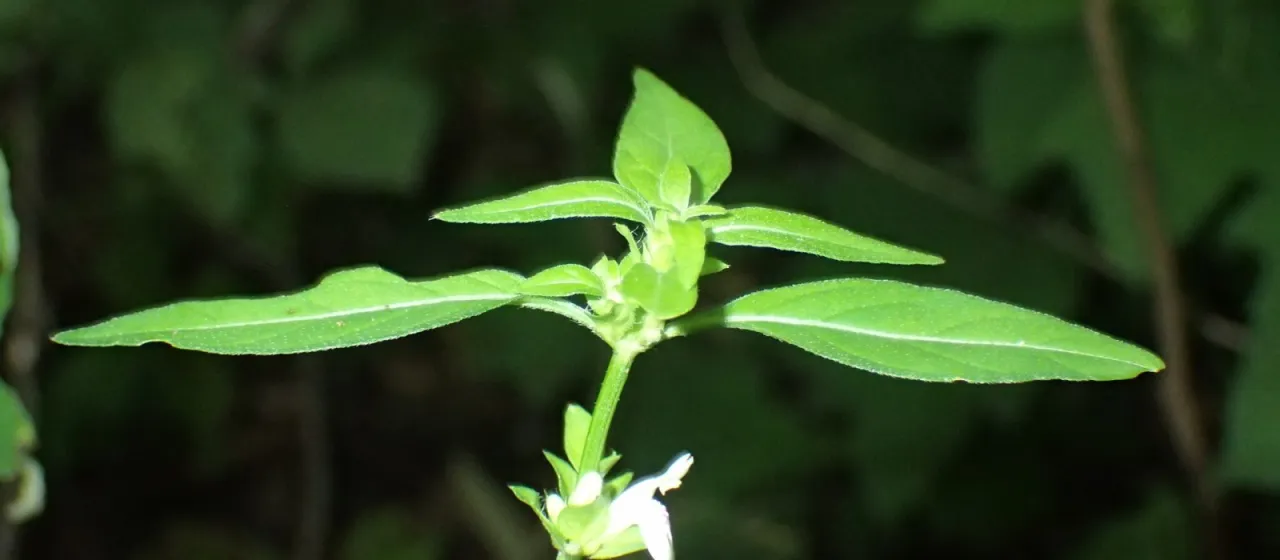
Description
Justicia striata is a distinct plant species belonging to the Acanthaceae family, known for its adaptability in tropical and subtropical environments. While not a large-scale commodity crop, it represents an important botanical asset in regional agricultural practices, particularly in parts of Africa. The plant is characterized by its endurance and unique floral patterns, making it both a subject of interest for local farmers and researchers.
Originating from tropical Africa, the species is found in moist habitats, typically in wooded regions or forest margins. Its natural distribution is tied to stable temperature regimes and high humidity levels. In agricultural systems, Justicia striata is often utilized in permaculture and small-scale farms, where it thrives under the canopy of larger tree species, contributing to the local agricultural ecosystem.
The botanical structure of the plant features opposite leaves and distinctive, often striped, tubular flowers that provide its common name. The plant grows as a perennial shrub or herb, developing a robust root network that helps stabilize topsoil. Its physiological traits allow it to optimize water uptake, which is a significant advantage in areas with fluctuating rainfall patterns.
Agronomic requirements for this crop include well-drained, nutrient-rich soils with a pH level between 6.0 and 7.0. It thrives in locations that receive dappled sunlight rather than direct, harsh radiation. Optimal irrigation is essential during the establishment phase, while consistent organic matter supplementation helps maintain soil fertility throughout the growing season.
The primary economic and practical uses for the plant include:
- Sustainable land management and erosion control.
- Cultural and traditional medical practices.
- Ornamental horticultural applications in tropical greenhouses.
The plant is susceptible to common pests such as spider mites and whiteflies, especially when grown under low-ventilation greenhouse conditions. Foliar fungal diseases may also occur if moisture levels are poorly managed. A proactive approach to crop health involves regular monitoring and the use of integrated pest management strategies to ensure productive growth.