Kahikatea
Dacrycarpus dacrydioides (A. Rich.) de Laub.
Description
Kahikatea (Dacrycarpus dacrydioides) is a significant coniferous species belonging to the Podocarpaceae family. It holds the title of the tallest native tree in New Zealand, often forming dense, majestic stands in lowland areas. This evergreen tree is an essential component of the country’s unique ecological heritage.
Native to New Zealand, this tree thrives in temperate climates with high precipitation. Its natural distribution is primarily associated with alluvial soils in swamps and floodplains, where it has evolved to tolerate prolonged saturation of the root zone, a trait that sets it apart from many other conifers.
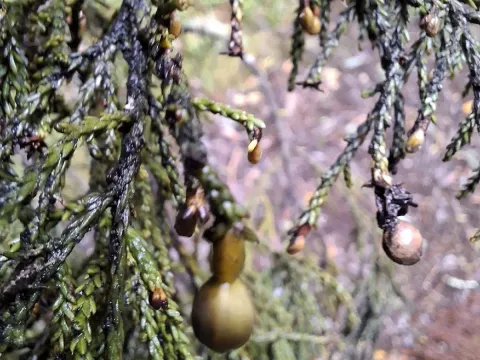
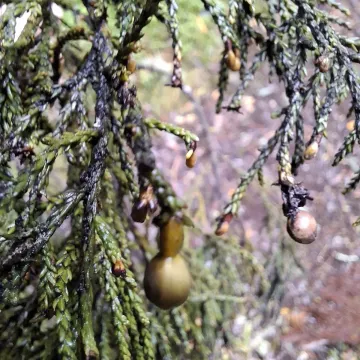
The botanical profile of Kahikatea is marked by its distinct heterophylly. Young specimens feature spreading, needle-like leaves, which gradually develop into appressed, scale-like leaves as the tree matures. The tree produces fleshy, red arils that are highly attractive to native birds, facilitating seed dispersal in the wild.
Regarding cultivation, the species requires fertile, deep soils with consistent moisture levels. While it can tolerate boggy conditions, it performs best in soils with good drainage and high organic content. Successful planting involves providing partial shade during the early development stages to prevent desiccation and heat stress.
Economically, the timber of Kahikatea is renowned for its pale, odorless, and uniform qualities, making it ideal for specialized industrial uses. Modern management focuses on sustainable silviculture and ecological restoration projects. Disease management is critical, with common issues including fungal root rots and attacks from various wood-boring insects, necessitating regular monitoring of plantations.
Photo gallery