
Description
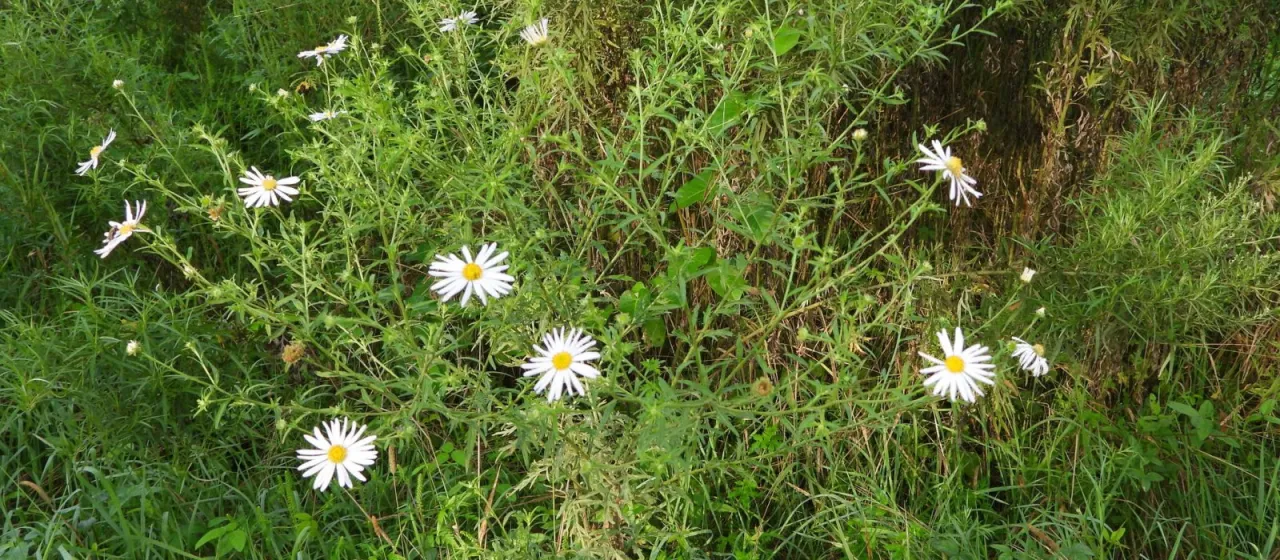
Kalimeris incisa, commonly known as the Japanese aster or cutleaf aster, is a herbaceous perennial plant belonging to the Asteraceae family. This species is highly valued in horticulture for its neat habit, ease of maintenance, and long-lasting display of soft-colored flowers during late summer and early autumn.
Originating from East Asia, specifically regions within China, Korea, and Japan, this plant has adapted to a wide range of environments. It naturally grows in meadow-like habitats and forest edges, which translates into its excellent adaptability to garden conditions, where it thrives in both full sun and partial shade.
Botanically, it features upright stems that reach heights of 40–80 cm. The foliage consists of distinctively cut or toothed leaves, providing an attractive texture even when the plant is not in bloom. Its daisy-like flowers, typically appearing in shades of white, lavender, or soft blue, serve as a magnet for pollinators like bees and butterflies.
For optimal growth, Kalimeris incisa requires soil that is rich in organic matter and consistently moist but well-drained. Cultural requirements are relatively straightforward: regular watering during dry spells, removal of spent blooms to encourage secondary flowering, and dividing the clumps every 3–4 years to maintain plant vigor and health.
In landscape use, it is a versatile choice for herbaceous borders, cottage gardens, and mass plantings. Regarding health, the plant is remarkably robust. While it is generally pest-free, it can occasionally be affected by powdery mildew if air circulation is poor or by aphids during dry seasons. Managing these issues is usually achieved through appropriate spacing and standard horticultural practices.