
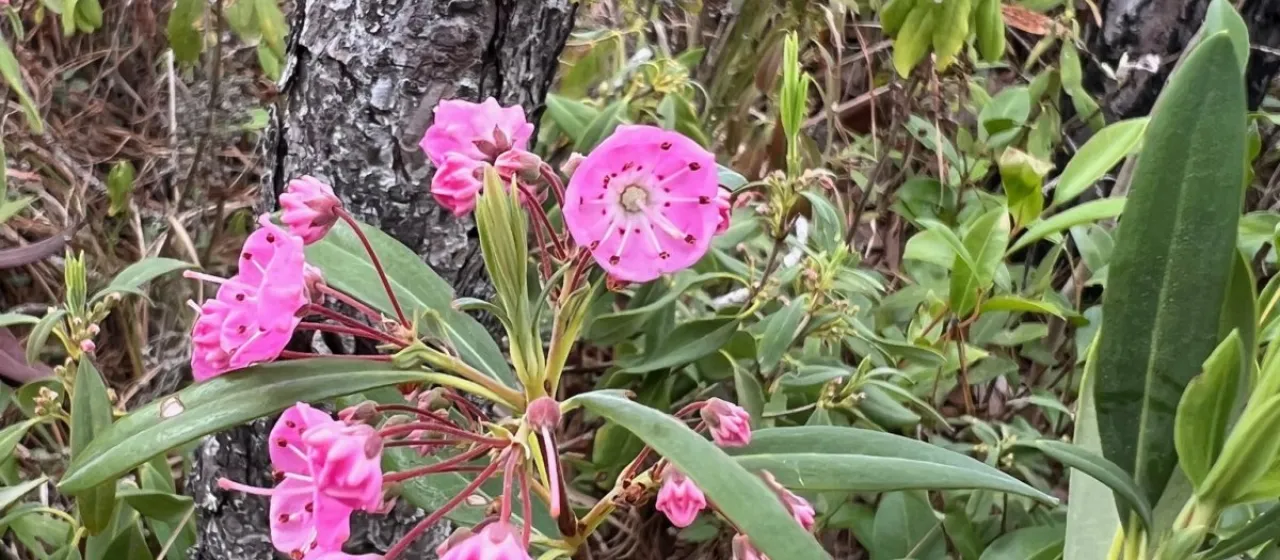
Description
Carolina bog laurel (lat. Kalmia carolina) is a captivating evergreen ornamental shrub belonging to the Ericaceae family. Known for its distinct, intricate cup-shaped flowers that bloom in clusters, this plant is a staple for gardeners who appreciate structural beauty and year-round interest. It is particularly valued for its compact growth habit and elegant foliage.
Native to the eastern regions of North America, this plant naturally thrives in acidic bogs, wetlands, and coniferous forests. Its historical and ecological distribution highlights the plant's preference for moist, cool, and shaded environments. Understanding its native habitat is crucial for successful cultivation, as it mimics the specific conditions required for the plant's metabolic and physiological processes.
Botanically, the species is defined by its thick, leathery leaves and shallow, fibrous root systems. The foliage remains vibrant throughout the winter, providing structural continuity in the garden. Its blossoms appear in spring, displaying a unique geometry that is characteristic of the genus Kalmia. The plant's slow-growing nature makes it an ideal candidate for rock gardens, mixed shrub borders, or woodland-themed landscapes.
Agricultural and horticultural requirements focus heavily on soil chemistry and moisture management. The plant demands a highly acidic soil profile (pH 4.5–5.5) and excellent drainage. Over-saturation can lead to root oxygen deprivation, while alkalinity can cause iron chlorosis. Regular application of pine bark mulch is recommended to maintain optimal soil moisture and acidity, simulating the natural forest floor litter.
- Maintaining a consistent acidic soil pH.
- Avoiding high-calcium fertilizers.
- Regular irrigation using soft or acidified water.
- Strategic pruning to encourage dense growth post-bloom.
Pest management for this species involves monitoring for common suckers such as aphids and spider mites, particularly during periods of low humidity. Fungal diseases, such as leaf spot and root rot, are the most significant threats to plant vigor. These are often mitigated by ensuring proper air circulation within the canopy and avoiding overhead watering, which helps maintain a dry leaf surface and reduces pathogen spread.