
Description
Hairy laurel (Kalmia hirsuta) is an evergreen ornamental shrub belonging to the Ericaceae family. Known for its distinct pubescent stems and leaves, it stands out among other species within the genus for its unique texture and compact growth habit. It is highly valued by gardeners for its aesthetic appeal and structural contribution to the landscape.
The native distribution of Kalmia hirsuta is primarily located in the southeastern United States. It naturally thrives in acidic pine forests and sandy soils where humidity remains relatively high throughout the year. Understanding this geographical origin is crucial for providing the necessary environmental conditions when attempting to grow this plant in a domestic or nursery setting.
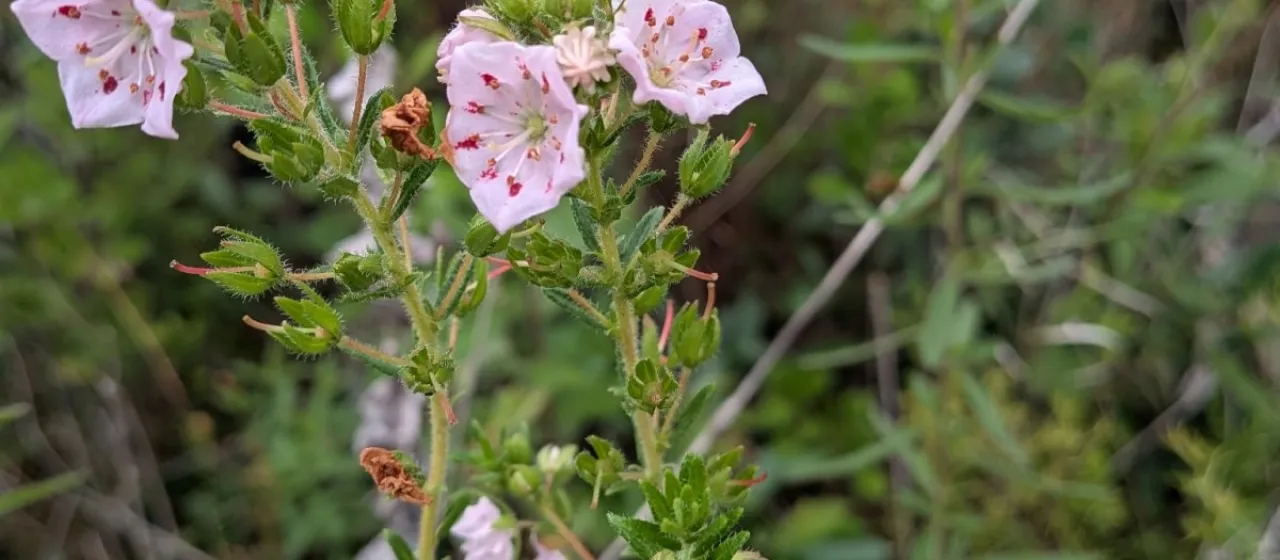
Botanically, this shrub is characterized by its leathery leaves and delicate saucer-shaped pink flowers. The plant exhibits a specialized reproductive strategy where the stamens are held under tension within the petals and release pollen forcefully upon contact with pollinators. This evolutionary adaptation makes it a fascinating subject for both botanists and horticulturalists.
Successful cultivation requires a specific set of agricultural practices, primarily focused on the acidity and drainage of the growing medium. The soil must be highly acidic, well-draining, and rich in organic matter. Gardeners are advised to avoid alkaline fertilizers and to implement a strict mulching regimen using pine needles or acidic compost to retain soil moisture and regulate temperature.
The primary use of Kalmia hirsuta is in specialized landscaping, particularly in rock gardens or alongside other acid-loving species like azaleas and rhododendrons. While generally resilient, the plant is susceptible to common ericaceous pests, including root rot caused by poor drainage. Regular monitoring and proper site selection remain the most effective ways to ensure the longevity and health of the shrubs.