
Description
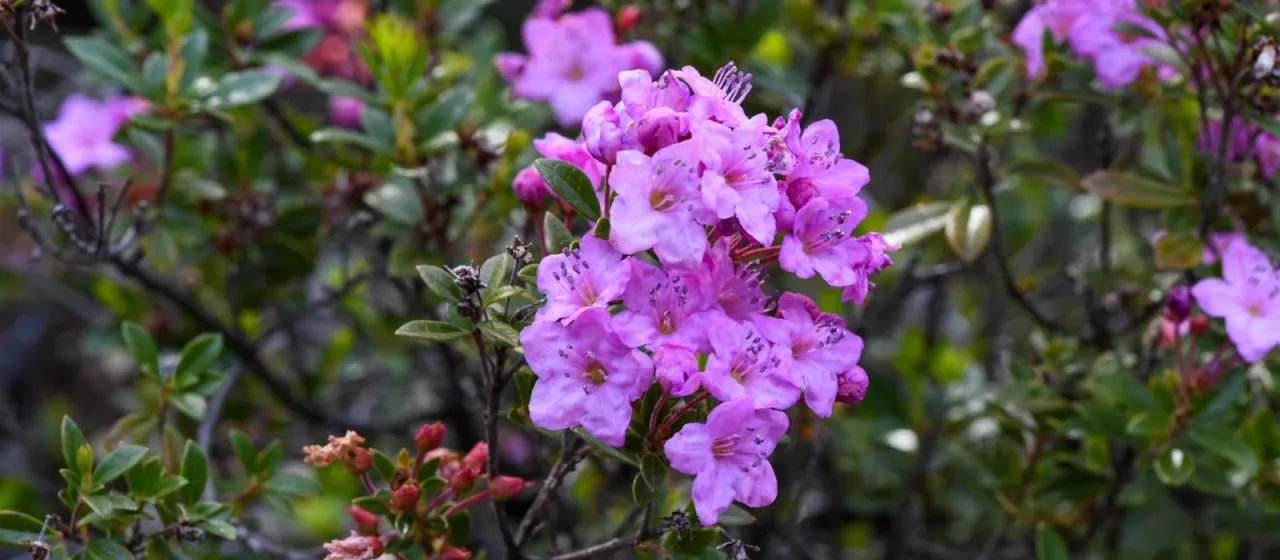
Kalmiopsis leachiana is a rare, slow-growing evergreen shrub belonging to the Ericaceae family. Highly prized by enthusiasts of alpine flora, this plant features dark, leathery foliage and clusters of delicate, rose-colored flowers, making it a distinctive addition to any specialty garden collection.
The plant originates from the Siskiyou Mountains in southwestern Oregon, USA. Its natural habitat is characterized by harsh conditions, including rocky outcrops and nutrient-poor soils. This historical background is essential for understanding how to successfully integrate this species into a domestic landscape or agricultural nursery setting.
Botanically, Kalmiopsis leachiana is adapted to thrive in specific environmental niches. The plant typically reaches a low, mounded form. Its root system is exceptionally sensitive to soil conditions, requiring consistent moisture without being waterlogged, as it is highly susceptible to root damage if the drainage is inadequate.
Effective agrotechnical practices for this culture are focused on recreating its native mountain environment:
- Maintenance of highly acidic soil conditions (pH level between 4.5 and 5.5).
- Usage of an open, gritty substrate that prevents moisture accumulation.
- Planting in locations that provide cool root temperatures, often achieved through shading or deep mulching.
- Minimal fertilization, as the plant is adapted to nutrient-deficient environments.
In terms of хозяйственное usage, it is strictly an ornamental plant intended for rock gardens, heather gardens, and containers. The primary pests and diseases affecting the plant are typically fungal-based, often induced by improper watering. Maintaining good air circulation and ensuring the planting substrate does not remain soggy are the most effective strategies to prevent disease outbreaks.