
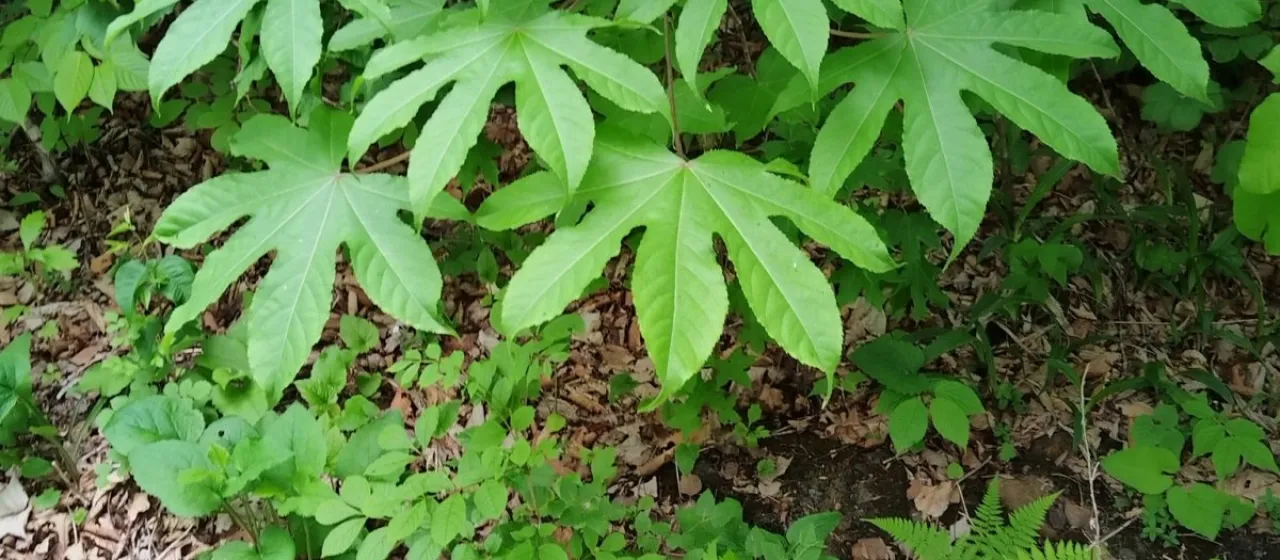
Description
Castor aralia, scientifically known as Kalopanax septemlobus, is a remarkable deciduous tree belonging to the Araliaceae family. Often referred to as the "devil's walking stick" due to the sharp, stout prickles that adorn its trunk and branches, this species is a striking specimen in both wild forests and managed landscapes. Mature trees can reach significant heights, developing a straight, impressive trunk that commands attention.
Native to East Asia, including regions in Russia, China, Japan, and Korea, this tree thrives in temperate climates. It typically occupies fertile, well-drained soils within mixed forest ecosystems. As a hardy perennial, it has adapted to survive in diverse environmental conditions, though it performs best when protected from extreme, desiccating winds and excessive waterlogging during the dormant season.
Botanically, the castor aralia is characterized by its large, palmate leaves that feature seven lobes, turning a beautiful golden yellow during the autumn months. The tree produces clusters of small, white flowers in late summer, which serve as an excellent source of nectar for pollinators. The subsequent dark, berry-like drupes are a vital food source for avian species, contributing to the biodiversity of the local ecosystem.
Agronomical management of this crop involves selecting deep, nutrient-rich soils with neutral pH levels to ensure optimal growth rates. Propagation is typically achieved through seeds, which require stratification to overcome dormancy. In terms of maintenance, it is essential to ensure that young trees are mulched to retain soil moisture and provided with supplementary water during prolonged dry spells until their root systems are fully established.
The economic utility of the castor aralia is significant, primarily due to its high-quality timber. The wood is durable, lightweight, and features an attractive grain, making it highly valued in the furniture and woodworking industries. Furthermore, the tree is recognized for its medicinal potential, as various extracts from the bark and leaves are studied for their adaptogenic properties. Beyond industrial and medical uses, it is frequently utilized in urban forestry and landscape architecture for its exotic aesthetic appeal.