
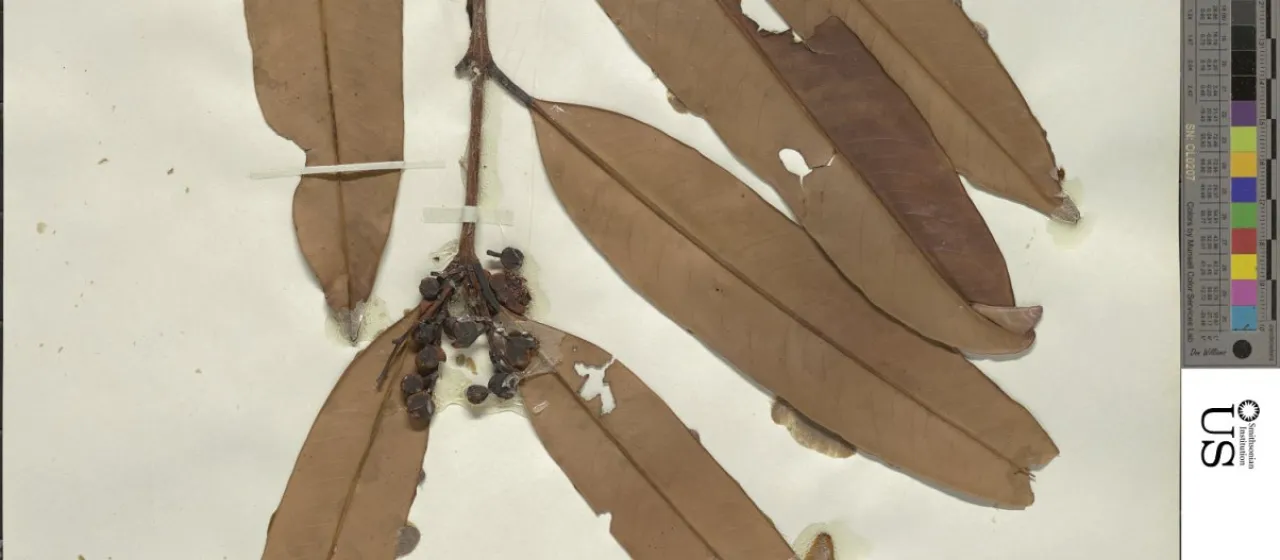
Description
Kayea navesii is a distinguished evergreen tree species belonging to the family Clusiaceae. Often associated with the genus Mesua in various taxonomic studies, this plant is recognized for its robust growth habit and ecological significance in tropical forest ecosystems. It is a vital component of local biodiversity in its native range.
The origin of this species is traced to the humid tropical forests of Southeast Asia, specifically in the Philippines. It thrives in regions characterized by high annual rainfall and consistent temperatures. Because of its specific evolutionary adaptation, it is rarely found in temperate zones, preferring the stability of an equatorial climate for optimal health and timber production.
Botanically, Kayea navesii displays a dense, spreading canopy with leathery, lanceolate leaves that are highly efficient at managing moisture. Its trunk is generally straight, which makes it highly valued in forestry. The root system is complex and deep, allowing the plant to anchor securely in various tropical soil structures, ranging from clay to volcanic loams.
Agronomic requirements for this crop focus on soil fertility and moisture management. It requires well-drained but consistently moist soil to prevent physiological stress. In agricultural practice, maintaining soil pH between 5.5 and 6.5 is recommended. Young plantations require shade management during the initial years to ensure proper establishment and to prevent surface evaporation of the soil moisture.
The primary хозяйственный use of Kayea navesii is the production of high-density timber, which is appreciated for its durability and resistance to biological decay. Common pests include wood-boring beetles, while fungal diseases can emerge if tree density is too high and air circulation is poor.
- Produces durable, termite-resistant timber.
- Supports soil stabilization in forestry projects.
- Serves as a source of biomass in tropical silviculture.