
Description
Keckiella antirrhinoides, commonly known as the snapdragon penstemon, is a perennial shrub belonging to the Plantaginaceae family. While historically associated with Scrophulariaceae, taxonomic updates have placed it within the plantain family. This plant is a notable member of the California flora, highly regarded for its ability to thrive in demanding environmental conditions.
The native habitat of this species is restricted to the southwestern United States and Baja California. It is typically found in chaparral and scrub communities, often on rocky or sandy slopes. This geographic range suggests a requirement for a Mediterranean climate, characterized by warm, dry summers and mild, wet winters, which dictates the plant's seasonal cycle.
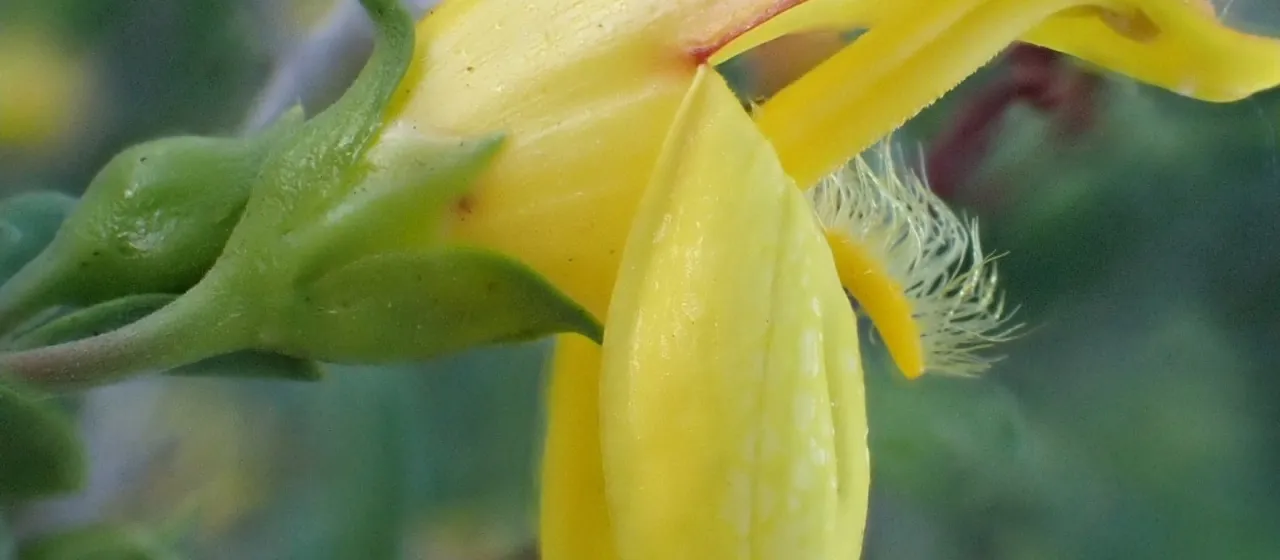
Botanically, Keckiella antirrhinoides is defined by its opposite, lanceolate leaves and bright yellow to cream-colored tubular flowers that bear a striking resemblance to snapdragons. The shrub can grow up to 1.5 meters in height, with woody stems at the base that support its overall framework. The plant's morphology is an evolutionary response to water scarcity and intense solar exposure.
Cultivation requirements for this species are specific: it demands excellent drainage and porous, nutrient-poor soil. Gardeners should avoid rich soils and excessive fertilization, as these conditions often lead to lush but weak growth and increased susceptibility to disease. Proper irrigation management is paramount, as waterlogging is the primary cause of failure when introducing this plant to gardens.
The primary horticultural use of this shrub is in xeriscaping, where its drought tolerance makes it an excellent choice for low-water garden designs. In terms of health, it is generally resilient, though like many native plants, it can be susceptible to aphids and fungal root issues if drainage is inadequate.
- Requires full sun exposure.
- Needs minimal supplemental watering.
- Avoid heavy or clay-based soils.
- Excellent for supporting local pollinator populations.