
Description
Keiskea japonica is a perennial herbaceous plant belonging to the Lamiaceae family. It represents a distinctive genus native to East Asia, primarily known for its role in traditional botanical studies and its unique chemical properties. This plant is a specialized crop that thrives in specific ecological niches.
The natural range of this species covers Japan and the Korean Peninsula, where it typically inhabits forest floors and moist mountainous slopes. These regions are characterized by a temperate climate with high humidity and significant seasonal rainfall. Successful cultivation requires mimicking these environmental conditions to ensure healthy growth and development.
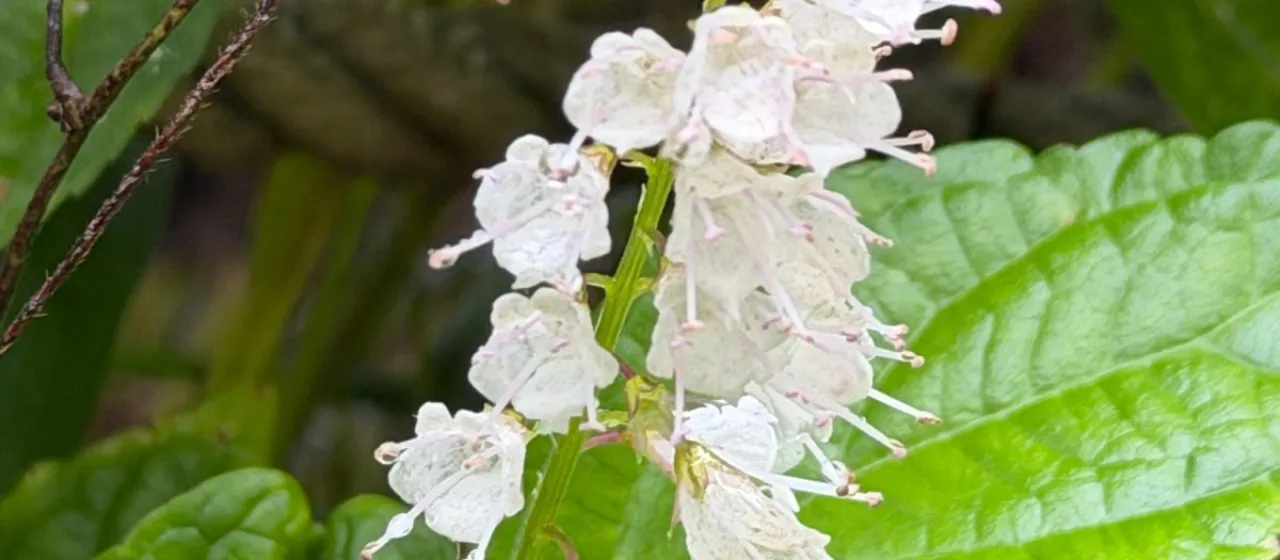
Botanically, the plant displays upright stems and aromatic leaves, common for the mint family. Its flowering cycle usually occurs in late summer or early autumn, resulting in spikes of delicate flowers. The root system is relatively fibrous, allowing the plant to spread modestly in suitable environments, making it a manageable species for garden cultivation.
Cultural requirements involve planting in nutrient-rich, well-draining soil that maintains consistent moisture. It performs best in partial shade, as excessive direct sunlight can cause leaf burn. Regular irrigation is necessary, particularly during drier spells, while the use of organic compost can help improve soil texture and nutrient availability over time.
The primary focus of cultivating Keiskea japonica relates to its potential for medicinal extraction and its use in landscape design as a shade-tolerant ground cover. The plant is relatively resistant to major pests due to its natural essential oil profile. However, agriculturalists should monitor for signs of fungal root infections caused by poor drainage or excessive soil compaction.