
Description
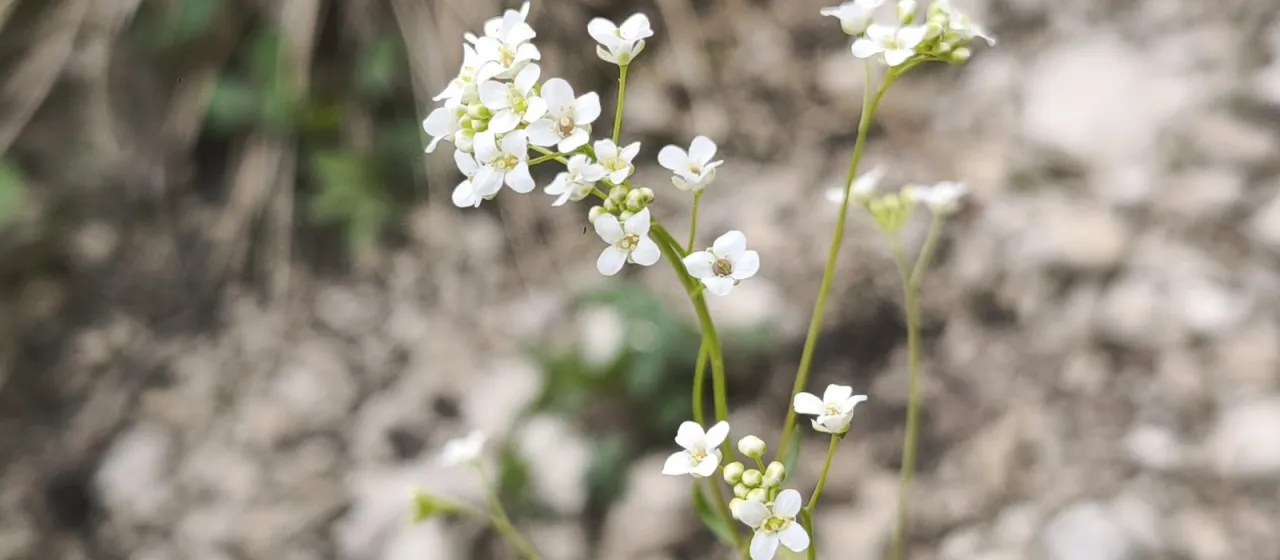
Kernera saxatilis is a perennial herbaceous plant belonging to the Brassicaceae family. Known for its distinct alpine appearance, it forms low-growing rosettes of foliage topped by small, delicate white flowers during the blooming season. As a member of the cruciferous family, it shares some structural traits with other brassicas but is specifically evolved for rocky, mountainous environments.
The plant originates from the mountainous regions of Europe, particularly the Alps, where it thrives in crevices and rocky outcrops. In horticultural practice, it is widely utilized in rock gardens and alpine beds. Its distribution is typically limited to temperate regions where gardeners can replicate its natural habitat by providing excellent drainage and cool root temperatures.
Botanically, Kernera saxatilis possesses a deep taproot system, which is a structural adaptation for anchoring in stony soil and accessing water reserves deep underground. The leaves are generally small, leathery, and arranged in a basal rosette to minimize water loss. The inflorescence is a raceme that rises above the foliage, showcasing the plant's elegant but modest structure.
Cultivation requirements focus on mimicking high-altitude conditions. This includes using a substrate that is predominantly gravel or sand-based, ensuring that the plant never sits in water-logged soil. Full sun exposure is essential for maintaining a compact form and promoting healthy blooming. Fertilization should be avoided, as the plant is adapted to nutrient-poor soils.
- Ideal for alpine rockeries and scree gardens.
- Suitable for dry stone wall planting.
- Low-maintenance ground cover for sunny slopes.
- Decorative element in alpine collection displays.
Disease management primarily involves preventing fungal issues caused by excessive humidity or poor ventilation. Root rot is a common problem if drainage is inadequate. Regarding pests, crucifer-specific insects, such as flea beetles, can occasionally damage the leaves. Maintaining a dry, well-ventilated environment is the most effective cultural practice to ensure the longevity of the plant.