
Description
The Sickle-leaved Kiaeria (lat. Kiaeria falcata) is a perennial moss species belonging to the Dicranaceae family. While not a commercial agricultural crop, it is a vital component of northern and alpine flora, functioning as a primary producer in high-altitude environments where few other plants can survive.
The plant is native to the arctic and alpine regions of the Northern Hemisphere. Its distribution is closely linked to cool, humid climates, typically found on acidic substrates, crevices of silicate rocks, or mountain tundras. It thrives in locations where cold temperatures prevent the dominance of vascular plants.
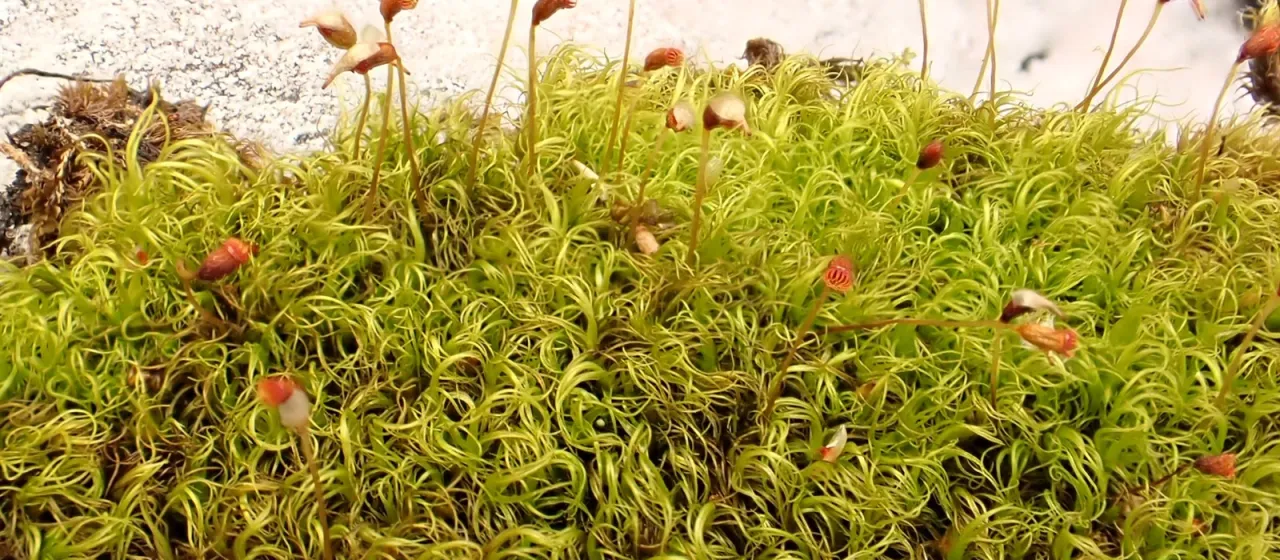
Botanically, Kiaeria falcata is characterized by its compact, yellow-green tufts and distinctively falcate (sickle-shaped) leaves that curve around the stem. These morphological features are adaptations to moisture retention and physical resilience against harsh environmental stressors like wind-blown snow and ice.
There are no standardized agronomic practices for this moss, as it is strictly a wild species. It is highly sensitive to soil chemistry and moisture levels, requiring pristine, acidic conditions. Cultivation in artificial settings requires climate-controlled environments mimicking alpine humidity and temperature, as the plant does not tolerate nitrogen-heavy fertilizers.
- Requires high atmospheric humidity.
- Prefers acidic, non-calcareous substrates.
- Highly sensitive to chemical pollution.
- Acts as a soil stabilizer on steep mountain slopes.
In terms of practical usage, it is primarily used in scientific research for ecological assessment and bio-monitoring of air quality. The species lacks traditional pests or pathogens, as its survival strategy is based on extreme hardiness rather than chemical defense. Its preservation is essential for maintaining the integrity of fragile high-mountain ecosystems.