
Description
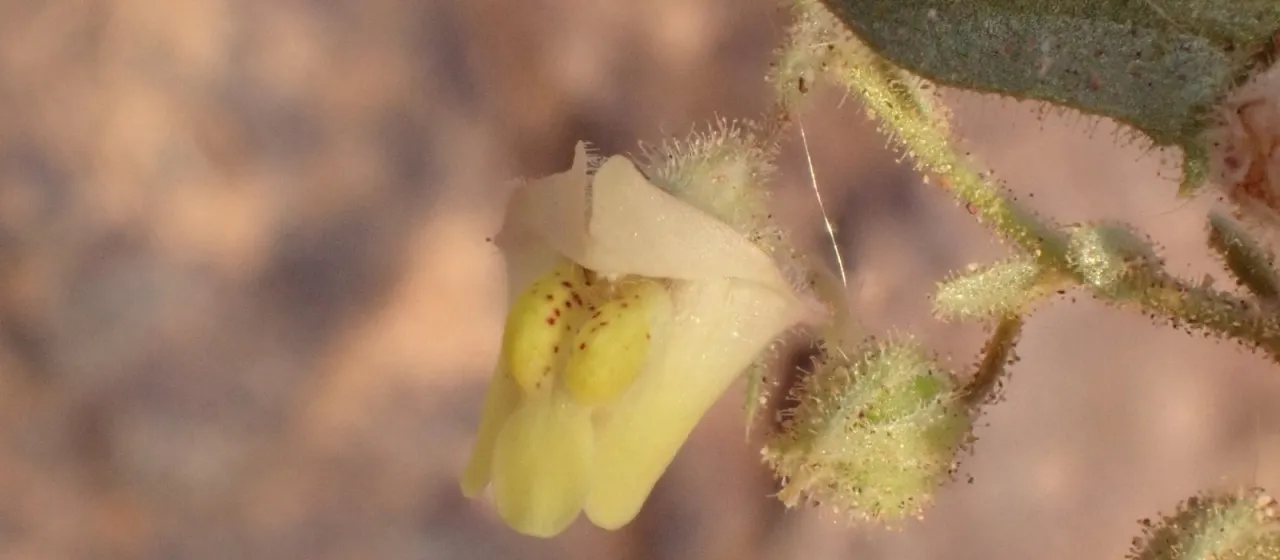
Egyptian fluellen (Kickxia aegyptiaca) is a herbaceous plant species belonging to the family Plantaginaceae. Formerly associated with Scrophulariaceae, this plant has been reclassified based on modern genetic analysis. It is primarily known for its ability to thrive in harsh, arid environments, making it a significant botanical subject for studying xerophytic adaptation mechanisms.
The native range of this species is centered in North Africa and the Middle East, particularly within desert and semi-desert ecosystems. It is frequently found in Egypt and surrounding regions where environmental conditions are categorized as extreme. While not a conventional agricultural crop, it acts as a competitor in agricultural settings, especially where irrigation is introduced into desert fringes.
The botanical structure of Kickxia aegyptiaca includes branched stems and leaves adapted to limit transpiration. The flowers exhibit a characteristic zygomorphic shape common to the Plantaginaceae family, attracting desert-dwelling pollinators. Its root system is exceptionally efficient at extracting moisture from sandy or rocky substrates, which allows it to persist during extended droughts.
Growing requirements for this plant focus on high light intensity and well-draining, nutrient-poor soil. In terms of agronomy, controlling this species involves integrated pest management strategies. Since it can rapidly invade disturbed fields, early detection and the use of specialized herbicides are the primary methods for managing populations in cultivated areas of its native range.
The economic use of this plant is limited, though it contributes to soil stability in desert environments. It is not typically targeted by common agricultural pests, as its chemical composition deters many generalist herbivores. Diseases are generally limited to specific fungal pathogens that may occur following rare precipitation events in the arid regions where it establishes.
- High resilience to water stress.
- Effective survival in sandy soil types.
- Rapid colonization potential in disturbed areas.
- Role in ecological stabilization of arid landscapes.