
Description
Kitaibela vitifolia, commonly known as the grape-leaved kitaibela, is a robust herbaceous perennial belonging to the Malvaceae family. This ornamental plant is highly valued by gardeners for its impressive stature, unique foliage, and late-summer flowering period.
The native distribution of this species is confined to the Balkan Peninsula, specifically regions of Croatia and Serbia. In its natural habitat, it thrives in moist thickets and woodland margins. Since its introduction into horticulture, it has become a popular choice for large-scale landscaping and cottage gardens across temperate regions.
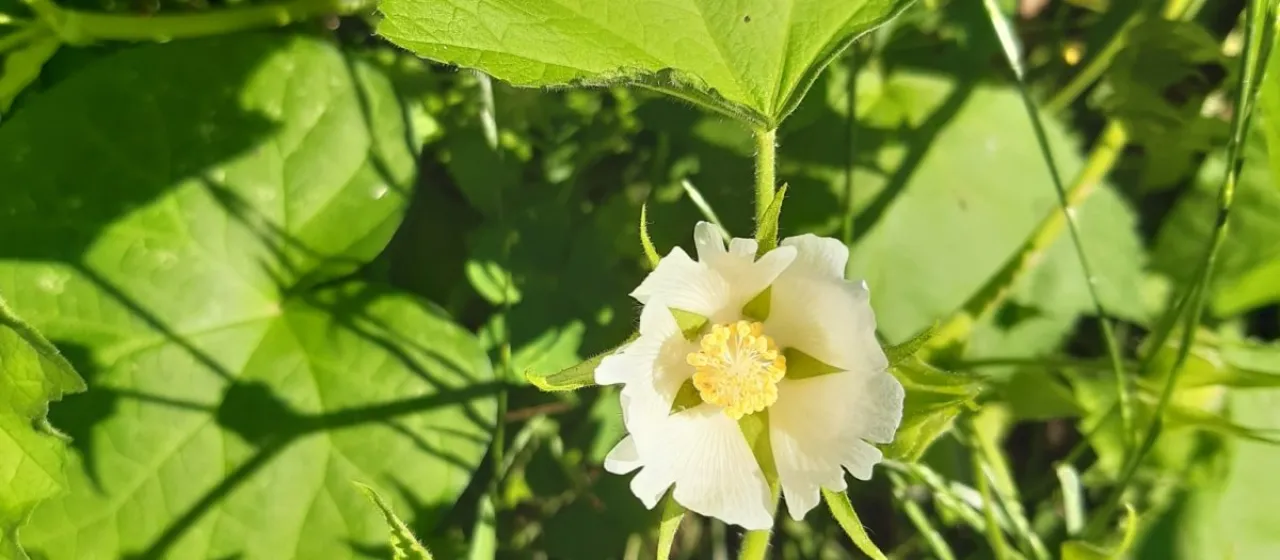
Botanically, the plant develops strong, branching stems that can reach heights of 1.5 to 2 meters. The leaves are distinctive, featuring deep lobes that closely resemble those of a grapevine. The flowers, appearing in shades of white or pink, emerge from the leaf axils, creating a dramatic visual effect throughout the growing season.
Cultivation requirements involve providing a fertile, moisture-retentive, yet well-drained soil. Kitaibela vitifolia prefers a sunny location with some protection from strong winds. Regular irrigation is essential during dry spells to maintain plant vigor, and mulching around the base helps retain soil moisture and suppress weeds.
The primary use of this crop is ornamental, specifically for creating naturalistic borders or adding height to perennial beds. While it is generally resilient, it can occasionally face challenges from pests like aphids or fungal infections such as powdery mildew in poorly ventilated, overly humid conditions. Proper plant spacing is recommended to ensure good air circulation.