
Description
Kitaibelia vitifolia, commonly known as grape-leaved kitaibelia, is a robust herbaceous perennial belonging to the Malvaceae family. This ornamental plant is highly regarded for its impressive height and foliage that resembles grape leaves. It serves as an excellent structural element in larger garden designs, often used as a background plant due to its vigorous growth habit.
The origin of this species is traced back to the Balkan Peninsula, specifically regions within Croatia and Bosnia. It grows naturally in mountainous habitats and has been introduced to gardens across Europe and North America. The plant thrives in temperate climates, where it can complete its growing cycle effectively, providing lush greenery and flowers during the summer months.
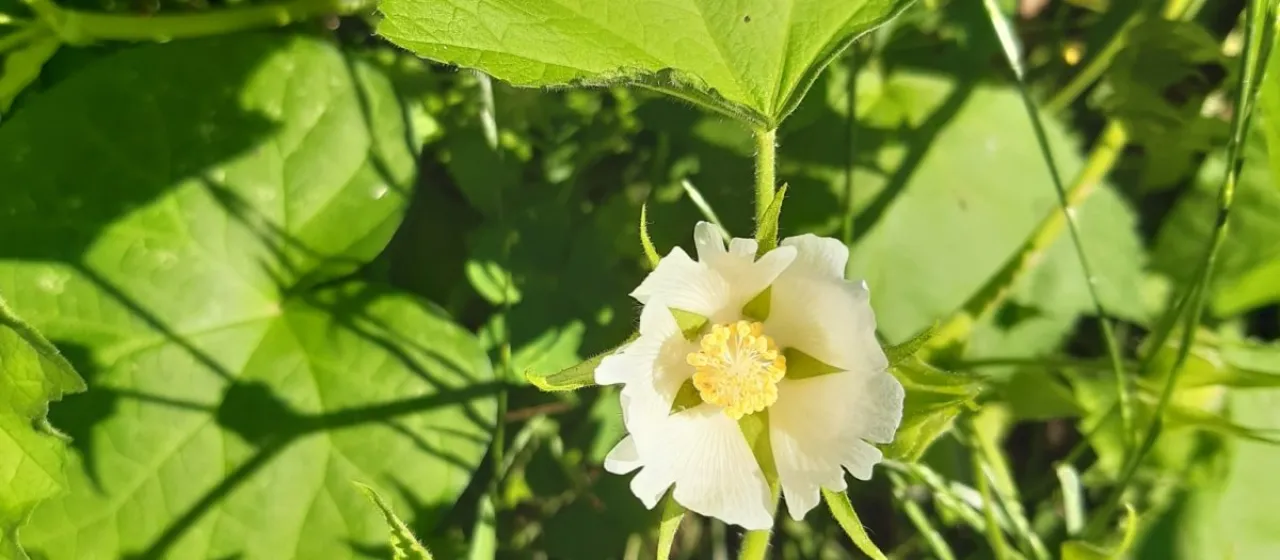
Botanically, the plant is characterized by its tall, sturdy, and sparsely branched stems that can reach heights of 1.5 to 2 meters. The leaves are large, palmately lobed, and distinctively similar to those of a grapevine. During the flowering stage, the plant produces large, white or pale pink cup-shaped flowers that appear singly in the leaf axils, contributing to its striking visual appeal.
Successful cultivation of Kitaibelia vitifolia requires specific attention to site selection and soil management. It prefers sunny locations with deep, fertile, and well-drained soils. While it is relatively drought-tolerant once established, it performs best with consistent moisture during the peak growing season. It is essential to protect the root system from waterlogging, as the species is sensitive to poor drainage.
Regarding pest and disease management, the plant is generally resilient, but it can occasionally be affected by common Malvaceae pests such as aphids or fungal issues like rust. Standard horticultural practices, including proper spacing to ensure air circulation and regular monitoring, are usually sufficient to maintain plant health. Pruning back the dead stems in late winter or early spring is necessary to prepare the plant for the upcoming season.