Kleinia cephalophora
Kleinia cephalophora Compton
Description
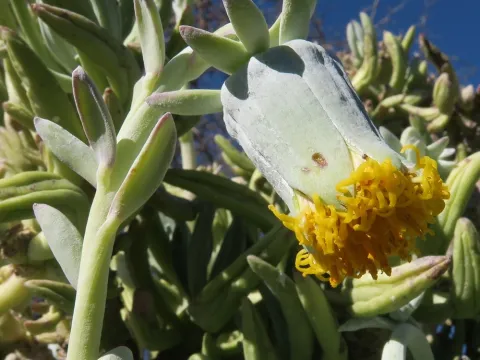
Kleinia cephalophora is a perennial succulent plant belonging to the Asteraceae family. Known for its distinct silver-gray appearance and velvet-textured leaves, this species is highly valued in the horticultural trade as an ornamental succulent. Despite taxonomic shifts that often classify it under the Senecio genus, it remains widely recognized by its traditional botanical name.
Native to the arid regions of South Africa, this plant has evolved to thrive in environments characterized by poor soil quality and irregular precipitation. Its evolutionary adaptations, such as succulent leaves and dense trichomes, allow it to survive intense sunlight and extended droughts. In cultivation, it is primarily managed in controlled indoor environments or greenhouses.
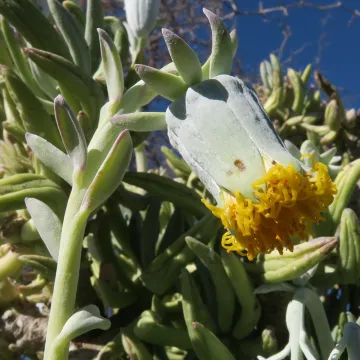
Botanically, Kleinia cephalophora exhibits a compact growth habit with fleshy stems and foliage covered in fine hairs. This unique epidermal structure is essential for water retention and protection against high UV exposure. The plant produces typical composite flower heads that highlight its taxonomic affinity to the sunflower family.
The agrotechnical requirements for this species are focused on replicating its natural environment to ensure plant longevity. Light and soil porosity are the most critical factors for successful development. Essential cultivation practices include:
- Providing high levels of natural light throughout the growing season.
- Using a well-draining mineral-rich substrate to prevent moisture accumulation.
- Limiting irrigation during the dormant winter period to avoid physiological stress.
Major phytosanitary concerns include root rot, which typically stems from overwatering or inadequate substrate drainage. Pests such as mealybugs and spider mites may occasionally infest the plant, particularly in low-ventilation environments. Regular monitoring of the foliage and implementing preventative sanitation measures are sufficient to maintain a healthy specimen.
Photo gallery