
Description
Forest scabious (Knautia dipsacifolia) is a perennial plant belonging to the Caprifoliaceae family. It is increasingly recognized in modern agricultural practices for its role in diversifying meadow ecosystems and supporting pollinator populations, functioning as both a fodder resource and an ecological enhancement tool.
Native to the mountainous and forest-edge regions of Europe, the plant is well-adapted to cooler, temperate climates. Its natural range demonstrates its resilience in diverse habitats, and it is frequently cultivated to restore soil structure and improve biodiversity on land previously used for intensive farming.
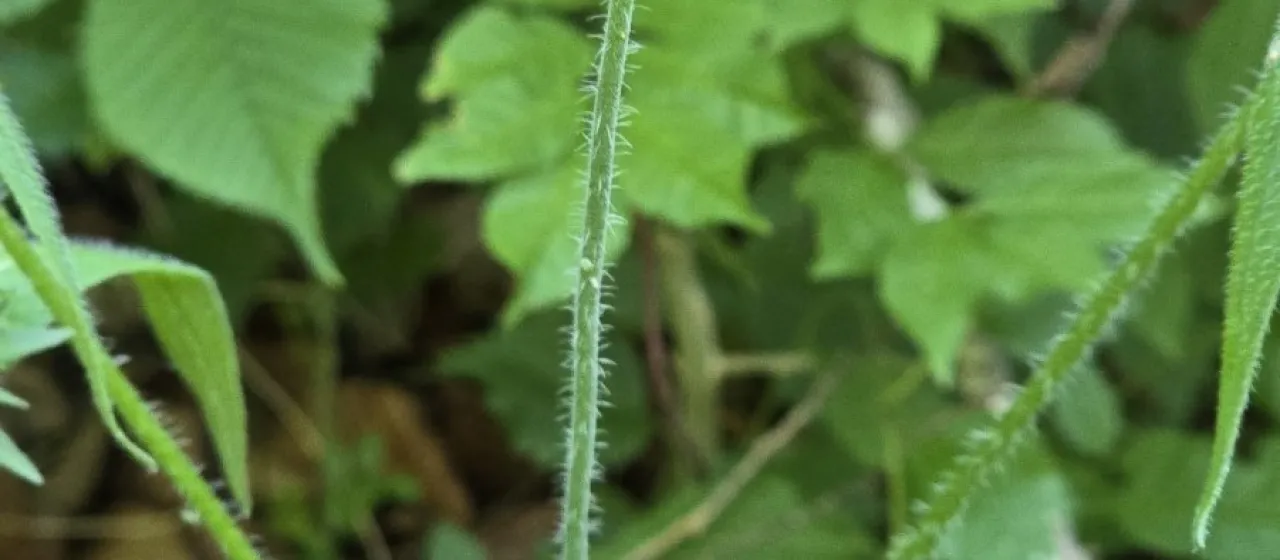
Botanically, Knautia dipsacifolia is distinguished by its erect stems, which can reach up to 1.5 meters, and its deeply lobed leaves. The flowers are arranged in dense heads with characteristic bristly bracts, providing a unique visual profile while serving as a highly effective nectar source for bees and butterflies throughout the summer.
Cultivation requirements involve moist, well-drained, and nutrient-rich soils. The plant thrives in semi-shaded locations but can tolerate full sun if soil moisture is maintained. Agronomic management involves seed stratification, proper seeding density, and mechanical control of competing aggressive weeds during the establishment phase.
Economically, forest scabious is valued for its potential in high-quality hay production and its ability to stabilize meadow slopes. It is generally resistant to major agricultural pests, although monitoring for powdery mildew in humid, stagnant air conditions is recommended to ensure optimal biomass production for livestock feed.
- Excellent nectar production for honey bees.
- High compatibility with various grass mixtures.
- Good soil binding properties due to robust root system.
- Low input requirements compared to nitrogen-demanding forage crops.