
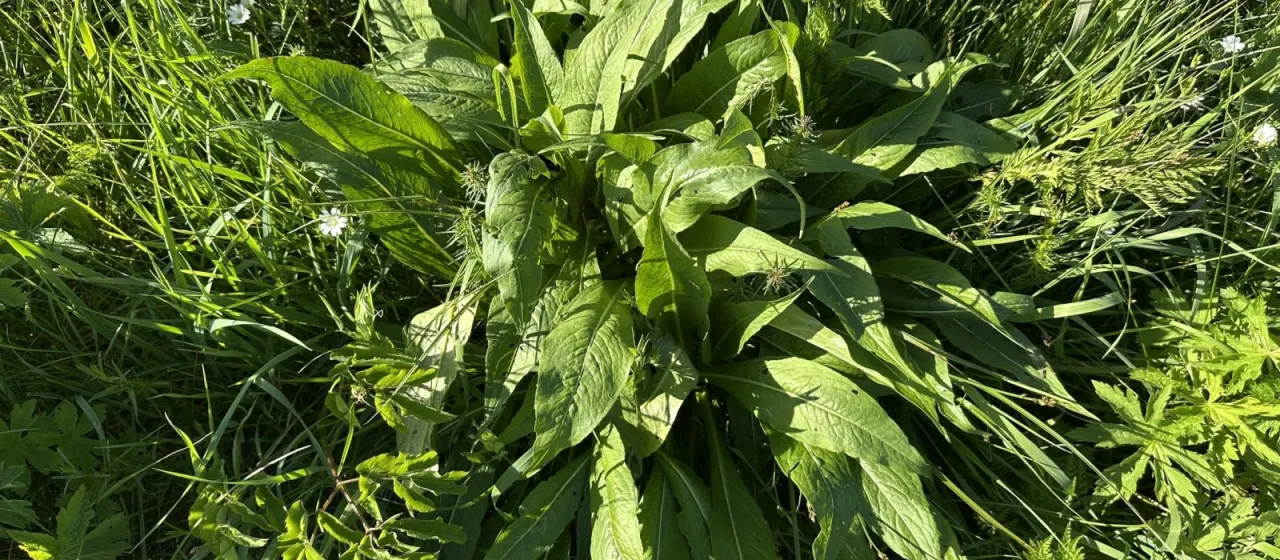
Description
Knautia godetii is a perennial herbaceous plant classified within the Caprifoliaceae family. It is a specialized botanical species highly valued in conservation agriculture and the restoration of mountain meadows. Due to its unique ecological requirements, it serves as a critical indicator species for calcareous soils in European subalpine zones.
The plant originates from the mountainous regions of Central Europe, particularly the Alps, where it thrives in open, limestone-rich habitats. In an agricultural context, it is becoming increasingly recognized for its role in biodiversity-focused farming, where it is utilized to create diverse seed mixtures that support pollinators and stabilize sloping terrain against soil erosion.
Botanically, Knautia godetii is characterized by its erect stems and basal rosettes of leaves. The inflorescences are distinct, disc-shaped heads with vibrant lilac-to-purple flowers. The plant's root system is exceptionally efficient at nutrient uptake in nutrient-poor, rocky substrates, which allows it to persist in conditions where less hardy crops would fail to establish.
Cultivation requirements necessitate well-drained, alkaline soils. Unlike intensive field crops, this species requires minimal fertilizer inputs; in fact, high nitrogen levels can be detrimental to its growth, promoting weak stem formation. Proper spacing is crucial to ensure good airflow, which mitigates the risk of fungal infections such as powdery mildew during humid periods of the growing season.
The primary economic use of this plant is in environmental management and restoration projects, alongside its utility as a nectar source for bees and butterflies. Pest management focuses primarily on monitoring aphid populations and maintaining field hygiene to prevent the spread of fungal pathogens. When managed correctly, this species provides long-term stability and ecological value to agricultural lands.
- Excellent drought tolerance once established.
- High significance for local pollinator populations.
- Well-suited for low-input meadow restoration.