
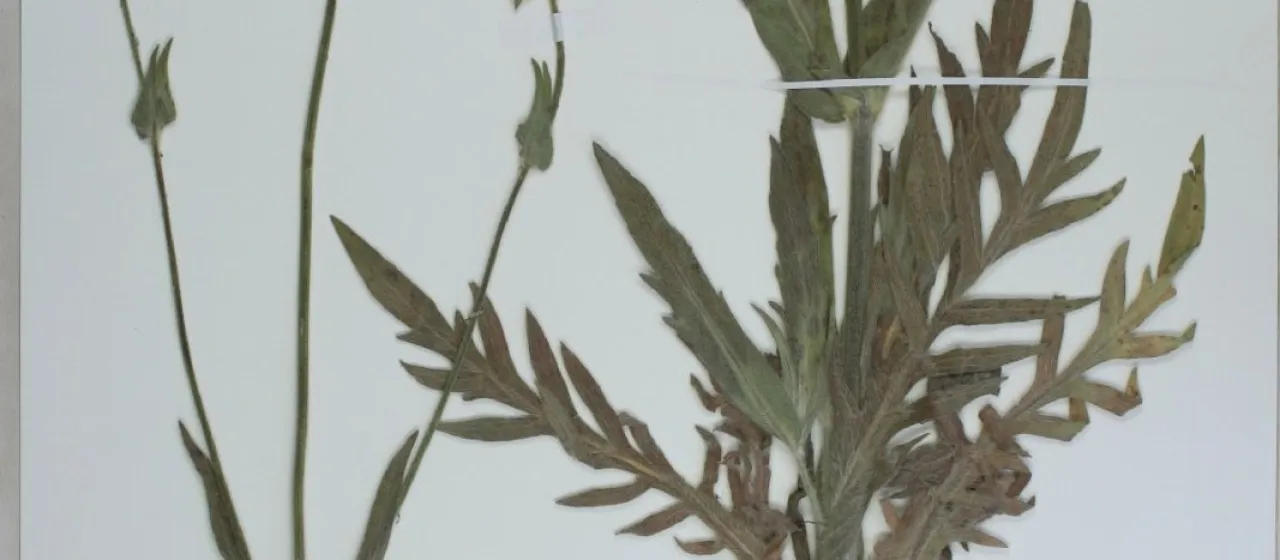
Description
Soft scabious (Knautia mollis) is a perennial herbaceous plant belonging to the Caprifoliaceae family. Known for its soft, pubescent foliage and delicate flowers, it is increasingly popular in both ornamental horticulture and ecological restoration projects due to its hardy nature.
The plant originates from the mountainous regions of Central and Southern Europe. Its natural habitat is typically characterized by lime-rich, well-drained soils and open, sunny slopes. This origin dictates its primary preference for environments that are not prone to heavy waterlogging or acidic conditions.
Botanically, Knautia mollis is distinguished by its basal rosette of soft leaves and stalked flower heads that bloom in shades of purple and pink. These flowers are highly attractive to bees, butterflies, and other essential pollinators, making the species an excellent candidate for promoting biodiversity in agro-ecosystems.
Agricultural and gardening success with this plant depends on providing full sun or light shade and a soil profile that prevents moisture stagnation. While it is relatively drought-tolerant once established, it responds well to moderate irrigation during prolonged summer heatwaves to maintain vibrant blooming.
- Requires well-drained, nutrient-rich soil.
- Avoid over-fertilization to maintain structural integrity.
- Prune spent blooms to encourage secondary flowering.
In terms of practical use, soft scabious serves as an ornamental ground cover and a valuable honey plant. Diseases and pests are generally minimal if the plant is sited correctly; however, gardeners should monitor for powdery mildew in late summer if air circulation is insufficient within the planting bed.