
Description
Transalpine scabious (Knautia transalpina) is a perennial herbaceous plant belonging to the Caprifoliaceae family. It is a robust species that is increasingly recognized in agricultural contexts for its value in meadow management, ecological restoration, and as a specialized ornamental plant in high-biodiversity landscapes.
Native to the mountain regions of Central and Southern Europe, specifically the Alps and the Balkans, the species has evolved to survive in challenging environments. It typically inhabits subalpine meadows, forest fringes, and rocky slopes. Because of this evolutionary background, the plant is remarkably hardy, showing high tolerance to varying climatic conditions including cool temperatures and moderate seasonal dryness.
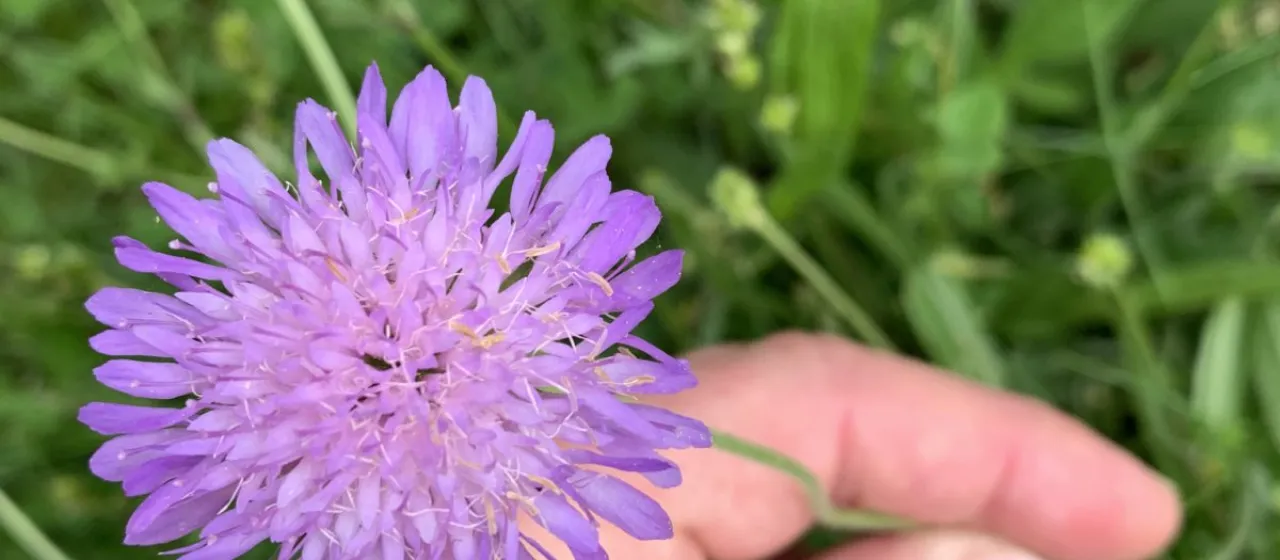
Botanically, Knautia transalpina is characterized by its stiff, branched stems which can reach heights of up to one meter. The foliage is characteristically pubescent and deeply lobed, often forming a dense basal rosette. The inflorescences are distinct, purple to pinkish flower heads that provide a significant nectar source, making the plant highly attractive to various pollinator species including bees and butterflies.
When it comes to agronomic requirements, the plant thrives in well-drained, neutral to alkaline soils. It performs best in substrates that are rich in mineral content but not excessively saturated with moisture. Cultivation requires basic soil preparation to ensure aeration, as the root system is sensitive to waterlogging, particularly during the winter dormancy period when the soil remains frozen or saturated.
- Exceptional hardiness and frost tolerance.
- Major nectar source for agricultural pollination management.
- Low maintenance requirements once established.
- Resistance to common garden and meadow pests.
- Ideal for inclusion in polyculture meadow seeding mixes.
The primary agricultural use of Transalpine scabious relates to habitat management and honey production. In terms of plant health, the species is generally robust, although excessive humidity can occasionally promote fungal diseases such as root rot. Proper site selection and ensuring sufficient drainage are the primary preventative measures required to maintain healthy and productive stands of the plant.