
Description
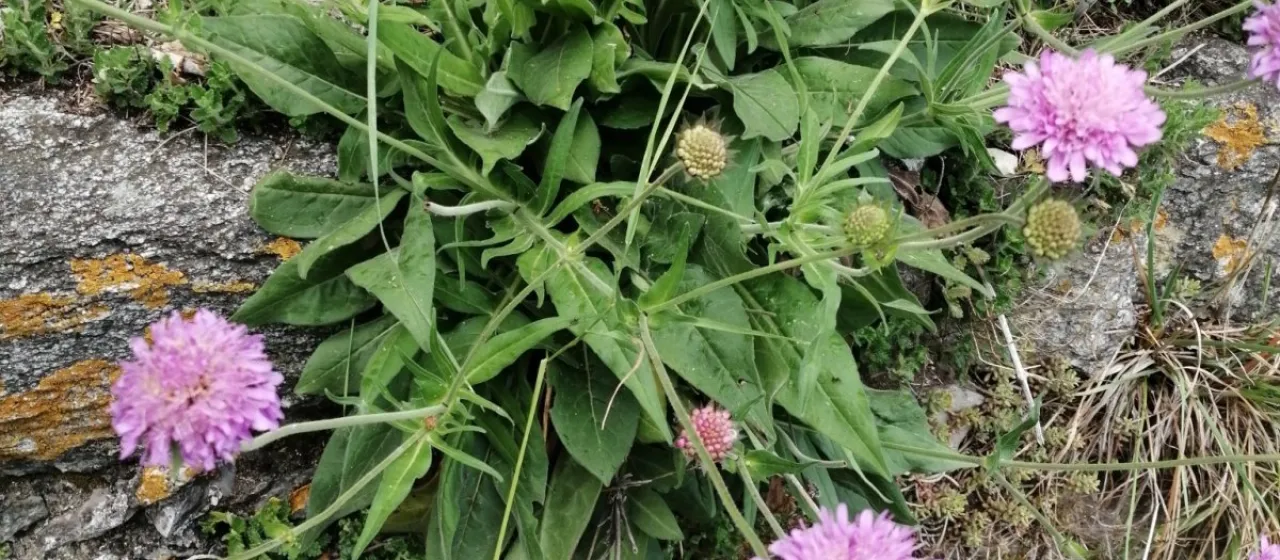
Velvet scabious (Knautia velutina) is a perennial herbaceous plant belonging to the Caprifoliaceae family. It is recognized for its unique textural foliage and aesthetic appeal, making it a valuable addition to both ornamental landscapes and restorative agricultural projects that aim to enhance biodiversity.
Originating from the mountainous regions of Central and Southern Europe, this species is naturally adapted to limestone soils and open, sunny habitats. Its ability to thrive in diverse conditions within its native range underscores its resilience, as it frequently colonizes dry meadows and forest edges where soil drainage is optimal.
The botanical defining trait of Knautia velutina is the dense pubescence on its leaves and stems, which gives it a velvety appearance. It produces dense, globular inflorescences in shades of pink and purple, which are highly attractive to pollinators. The plant features a deep taproot system, providing excellent drought tolerance and stability in nutrient-poor substrates.
Agronomic management requires a focus on soil texture and sun exposure. The crop performs best in well-drained, slightly alkaline soils. Proper spacing is essential to ensure adequate airflow, which prevents the development of moisture-related pathogens. While it is a hardy species, maintaining soil fertility and ensuring minimal weed competition during the establishment phase are crucial for vigorous growth.
Economic and practical applications include:
- Support for pollinator health as a high-quality nectar source for bees.
- Use in naturalistic planting schemes to restore ecological balance in farmland.
- Harvesting for dried flower arrangements due to its distinct textural qualities.
- Utilization in phytoremediation of alkaline and rocky soils in marginal areas.
The plant is occasionally susceptible to pests such as aphids during the peak flowering season. Diseases typically arise from poor drainage, with powdery mildew being the most common issue in high-humidity environments. Maintaining proper crop hygiene, ensuring adequate drainage, and selecting appropriate site locations are the primary strategies for managing these common health risks.