
Description
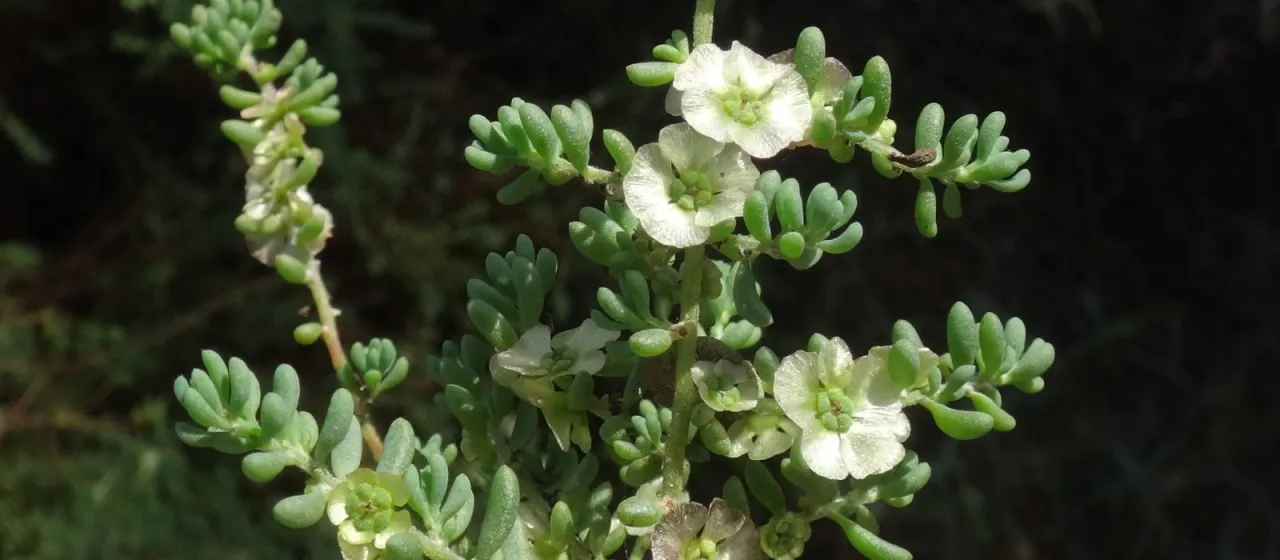
Kochia tamariscina is an annual herbaceous plant belonging to the Amaranthaceae family, specifically within the subfamily Chenopodioideae. Historically linked to the genus Bassia, it is now widely recognized in scientific literature by its current binomial name. This plant is celebrated for its incredible resilience in harsh, arid climates where conventional agricultural crops struggle to survive.
The native distribution of this species spans the semi-arid and desert regions of Eurasia, including Kazakhstan, Central Asia, and parts of Mongolia. It is a dominant species in saline soil environments, often referred to as a halophyte, which allows it to colonize areas with high salt concentrations that are typically considered toxic to most other vegetation.
Botanically, the plant is characterized by a heavily branched structure with fine, linear leaves, often displaying a reddish tinge at maturity. It features a deep-reaching taproot system that allows the plant to access moisture far below the soil surface, providing it with a competitive edge during prolonged droughts. The life cycle is annual, and it disperses its seeds effectively to ensure colonization in the following season.
In terms of agricultural requirements, the crop demands high solar radiation and well-drained, porous soils. It is remarkably undemanding in terms of nutrient input, thriving even in nutrient-poor substrates. Agronomic management focuses on spring sowing, with the primary objective being the establishment of dense vegetative cover early in the season to maximize biomass production before the peak of summer heat.
The primary agricultural utility of Kochia tamariscina is as a valuable forage resource for livestock, particularly sheep, goats, and camels, which graze on its nutritious biomass in arid regions. Beyond livestock feed, it serves as a crucial plant for land reclamation, sand dune stabilization, and combating soil desertification. While relatively robust, the plant can be susceptible to fungal diseases in excessively wet years and may attract specific insect pests that feed on young, succulent shoots.
- Extreme salt tolerance
- High drought resistance
- Efficient biomass production
- Valuable grazing forage
- Land reclamation capabilities