
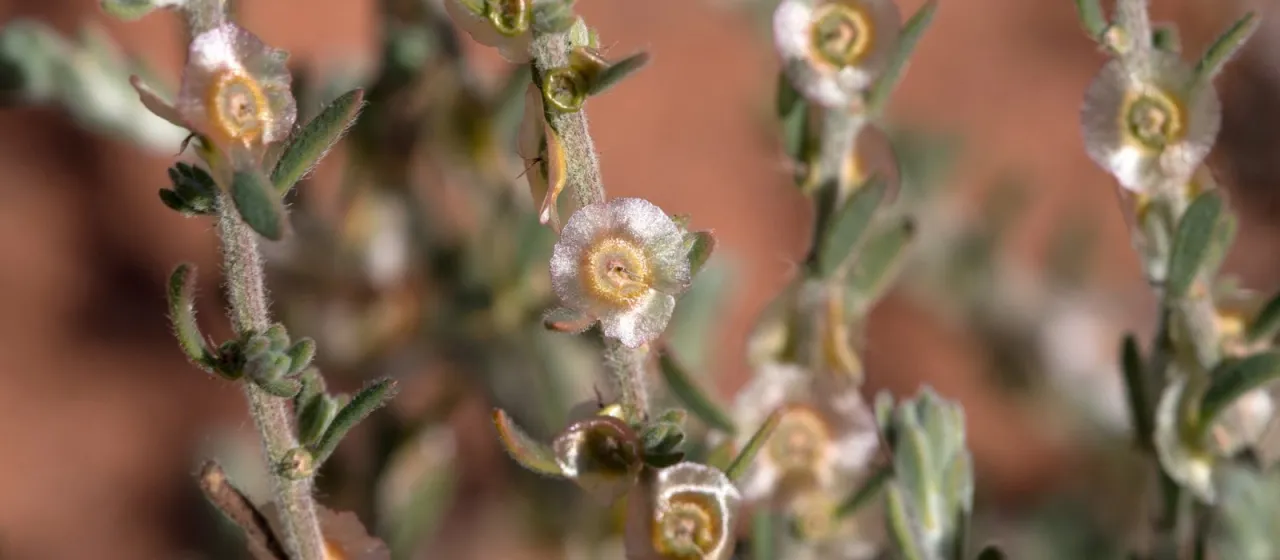
Description
Kochia villosa is a perennial herbaceous plant belonging to the Amaranthaceae family. Known for its remarkable resilience, this species has become a focal point for agricultural research in arid and semi-arid regions. It serves as a vital resource for livestock producers operating in environments where standard forage crops fail to survive due to water scarcity.
Originating from the arid zones of Central Asia, Kochia villosa has adapted perfectly to harsh environments. Its native range includes steppes and semi-deserts characterized by sandy, rocky, or saline soils. Because of this, the plant is widely recognized for its potential in reclaiming degraded lands and preventing soil erosion in areas prone to desertification.
The botanical structure of this plant features a heavily branched stem covered with fine, dense hairs, which gives it a silvery appearance and helps reduce water loss through transpiration. Its narrow leaves are well-suited for retaining moisture during prolonged droughts. The root system is deep and extensive, allowing the plant to access sub-surface water reserves inaccessible to many other species.
Agricultural practices for this crop are relatively straightforward. It thrives in open, sunny locations and is highly sensitive to waterlogging, preferring well-drained soils. Sowing typically occurs in early spring to capitalize on soil moisture. Once established, Kochia villosa requires little intervention, as it is highly competitive against weeds and possesses a strong natural resistance to many common agricultural pests.
In terms of хозяйственное usage, it is highly valued as a high-protein forage for livestock, particularly sheep, goats, and camels. The plant maintains its nutritional density even during the hot summer months when other grasses turn dormant. Besides feeding value, its deep roots and dense canopy make it an excellent choice for stabilizing soil in ecological restoration projects targeting desertification control.
- Superior drought and salinity tolerance
- High protein content for livestock diets
- Excellent resilience after grazing
- Effective erosion control on barren lands
- Low maintenance agricultural input