Goldenrain tree
Koelreuteria paniculata Laxm.
Description
Koelreuteria paniculata, commonly known as the Goldenrain tree, is a deciduous species belonging to the Sapindaceae family. This tree is highly regarded in horticulture for its spectacular display of yellow flowers in the summer and its distinct, paper-like seed capsules that persist well into the autumn, providing aesthetic interest across multiple seasons.
Originating from Eastern Asia—specifically China, Korea, and Japan—the species has become widely naturalized in many temperate regions globally. Its reputation as a hardy urban tree stems from its notable tolerance to air pollution, compacted soil, and high heat, making it an excellent candidate for metropolitan landscaping, street planting, and residential garden design.
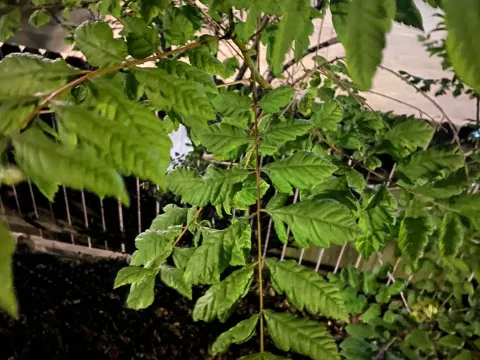
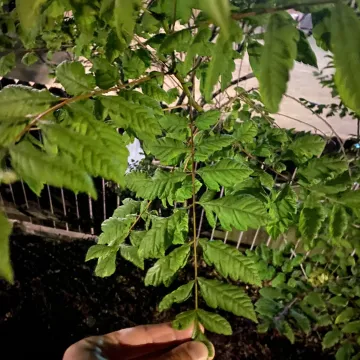
Botanically, the tree reaches a mature height of 10 to 12 meters, characterized by an open, umbrella-like canopy. The leaves are pinnately compound, often emerging with a bronze tint in the spring before turning a lush green, and finally transitioning to bright shades of orange and gold in the fall. The inflorescences are large, showy, terminal panicles that cover the canopy in bright yellow during the mid-summer months.
Cultivation requirements for this species are relatively straightforward. It thrives in full sun and requires well-drained soil to prevent root rot, although it is adaptable to various soil textures, including rocky or alkaline sites. It is remarkably drought-tolerant once established, making it a sustainable choice for landscapes where water resources might be limited or restricted.
Maintenance involves routine tasks to ensure the long-term health of the specimen. While generally resistant to major diseases, it is important to monitor for potential pests such as aphids or scale insects. Pruning should be conducted in late winter or early spring to remove dead wood and encourage a strong scaffold branch structure. Due to its nectar-rich flowers, it also serves an ecological function by supporting local pollinator populations during the peak summer heat.
Photo gallery