
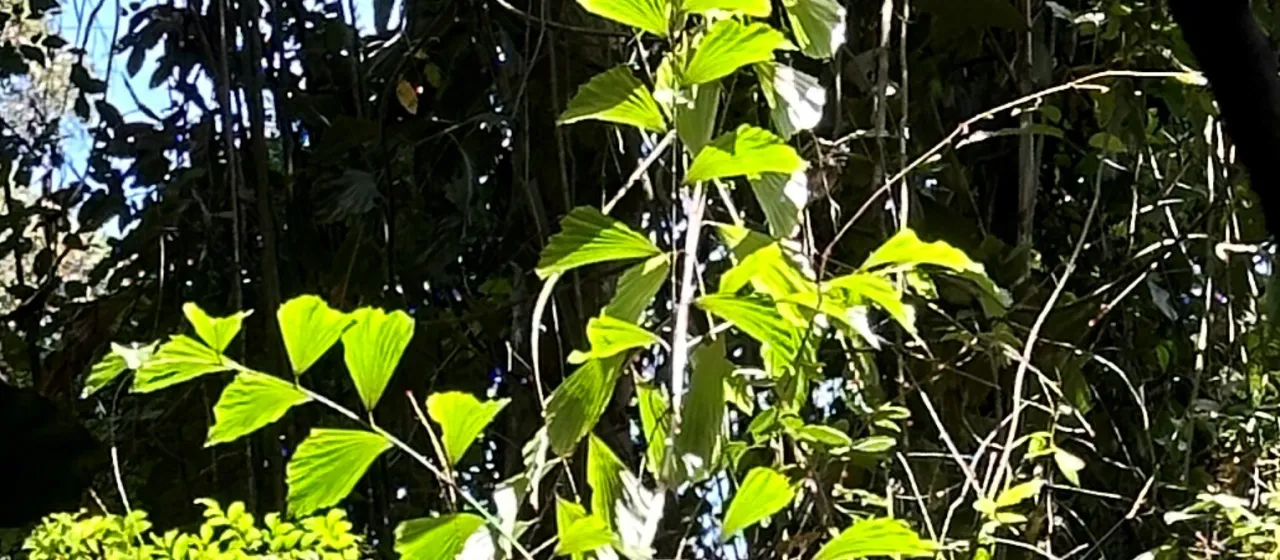
Description
Korthalsia polystachya is a distinct species of climbing palm belonging to the Arecaceae family. Known primarily as a type of rattan, this plant plays a significant role in the forest ecosystems of Southeast Asia, characterized by its rapid growth and ability to thrive in dense canopy environments.
The native range of this species is centered in the tropical regions of Malaysia, Indonesia, and Singapore. It is naturally adapted to low-lying tropical forests, where the combination of high humidity and nutrient-rich, moist soils facilitates its climbing habit. The plant is rarely found in open areas, preferring the dappled light of the forest floor and understory.
Botanically, Korthalsia polystachya is defined by its long, flexible, and spiny stems. The leaves are pinnate, often with a protective sheath at the base. Its structural integrity is maintained through specialized hooks and thorns, which allow the plant to secure itself to surrounding vegetation while climbing towards the canopy in search of sunlight.
Regarding its cultivation and management, the plant requires specific environmental conditions to reach maturity. Optimal growth is observed in climates where temperatures remain consistently warm and precipitation is high. Successful management involves sustainable harvesting techniques that do not deplete local populations, ensuring that young stems are left to regenerate after older sections are collected for processing.
The economic value of this species lies in its strong, pliable stems which are widely used in the rattan industry. The material is essential for crafting high-quality furniture, baskets, and intricate handicrafts. While it is a resilient plant, it remains susceptible to specific fungal pathogens that target the stem vascular system and various boring insects. Regular monitoring is essential to maintain the quality of the harvested fiber and ensure long-term commercial viability.