
Description
Saltmarsh mallow (Kosteletzkya pentacarpos) is a perennial herbaceous plant belonging to the Malvaceae family. It is increasingly recognized in agronomy as a promising halophyte — a plant capable of growing in environments with high salt concentrations. As traditional agricultural land faces threats from salinization, this species offers a sustainable solution for utilizing marginal land that would otherwise remain unproductive.
The native range of this species includes coastal regions across North America and parts of Southern Europe and Asia. It naturally thrives in marshes and estuaries, where it is exposed to periodic flooding and varying levels of soil salinity. This ecological background has fostered the plant's unique ability to thrive in waterlogged conditions while effectively managing saline stress through specialized physiological mechanisms.
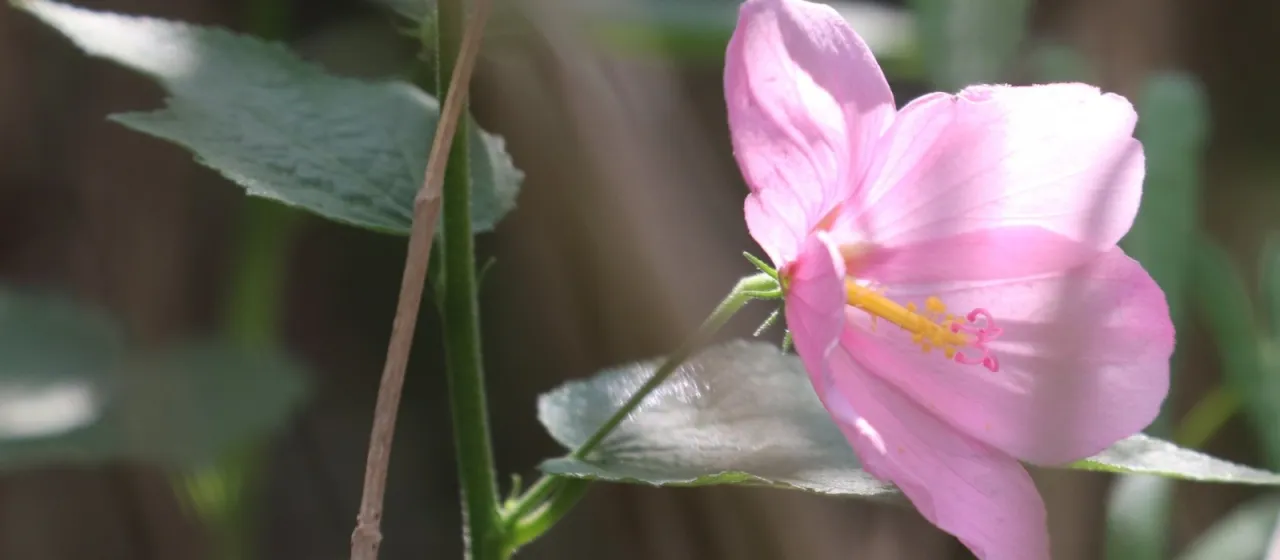
Botanically, Kosteletzkya pentacarpos is a robust plant, often growing to heights between 1.5 and 2 meters. Its leaves are lobed, and the flowers are typically white or pale pink with prominent reproductive structures characteristic of mallows. The plant produces seeds that are rich in oil and protein, which have garnered interest for their potential in the renewable energy sector, specifically for biodiesel production.
From an agrotechnical standpoint, cultivation requires careful management of soil moisture levels. While the plant is highly salt-tolerant, optimal yields are achieved in soils with adequate nutrient availability, particularly nitrogen and phosphorus. Field management involves monitoring plant density to maximize biomass and seed production. Given its wetland origins, the plant shows strong resilience to poor drainage and periodic saturation, which would be detrimental to most standard field crops.
The primary economic value of saltmarsh mallow lies in its dual-use potential for bioenergy and fiber production. Its stems are a source of high-quality cellulose, while its seeds are viable for oil extraction. Disease and pest management are centered on standard threats to Malvaceae species, including spider mites and aphids, which can be mitigated through integrated pest management strategies. Future research is focused on optimizing breeding programs to enhance seed yield and uniformity.
- Superior salt tolerance (halophytic nature).
- High potential for biofuel feedstock.
- Useful in restoring degraded saline soils.
- Fiber production potential from stalks.