
Description
Kotschya africana is a perennial herbaceous plant or small shrub belonging to the Fabaceae family. As a leguminous species native to the African continent, it plays a vital role in local ecosystems and holds promise as a sustainable fodder crop in tropical agricultural systems.
The plant originates from the tropical savanna regions of Africa. It has evolved to survive in environments characterized by distinct dry and wet seasons. By maintaining a deep root system and efficient water-use strategies, Kotschya africana thrives where other plant species often struggle to persist during seasonal droughts.
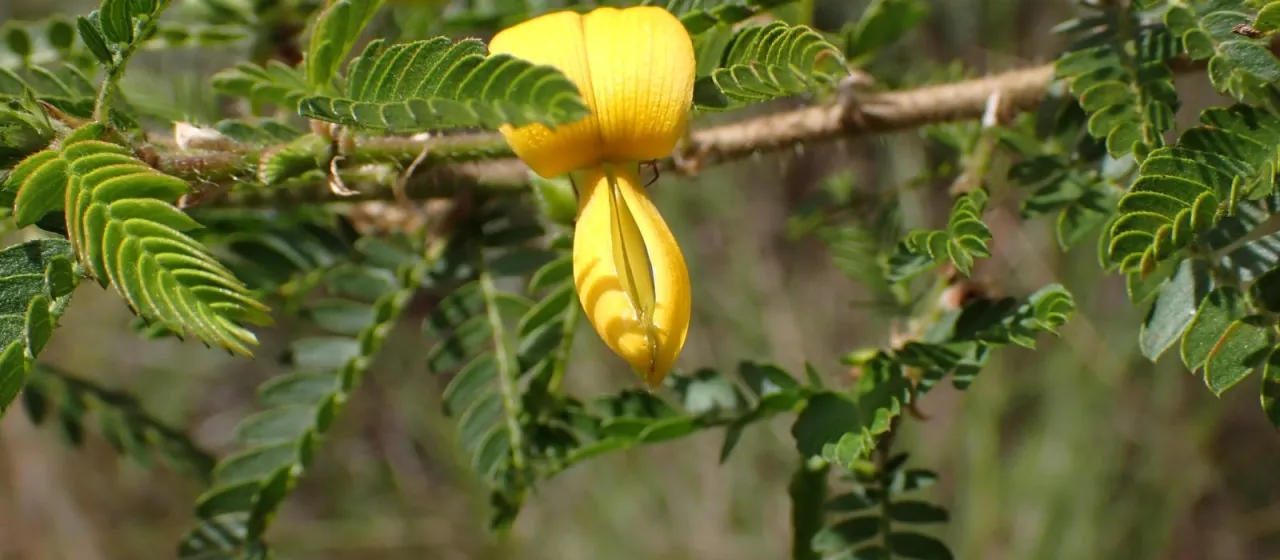
Botanically, it is recognized by its compound, feathery foliage and typical papilionaceous flowers. The plant's ability to engage in nitrogen fixation through symbiotic relationships with soil bacteria makes it an ecologically valuable species that can significantly enhance nitrogen levels in depleted agricultural soils.
Cultivation requirements for Kotschya africana prioritize well-drained, sandy or loamy soils with adequate aeration. It performs best in warm tropical climates with high solar exposure. While it is highly drought-tolerant once established, growers should monitor early stage development to ensure the seedlings are not outcompeted by aggressive weed species.
The crop is utilized in various agricultural contexts:
- As a nutritious grazing source for ruminants and livestock.
- For hay production to serve as a supplementary protein-rich feed.
- As a green manure crop to rejuvenate exhausted soil fertility.
- As a cover crop to minimize soil erosion in hilly, arid regions.
Management of the crop requires careful observation for common pests such as leaf-eating caterpillars and certain coleopterans. Plant diseases, particularly fungal pathogens, may emerge if the fields are subjected to poor drainage or overly humid conditions, making field sanitation and proper spacing critical for healthy crop yields.