Goat's rue
Galega orientalis Lam.
Description
Galega orientalis, commonly known as goat's rue, is a perennial herbaceous plant belonging to the legume family (Fabaceae). This crop is highly valued in agriculture for its exceptional longevity, as it can remain productive in a single field for 15 years or more, providing a reliable source of protein-rich forage.
Originating from the Caucasus region, the plant has spread across various temperate climate zones due to its adaptability and cold tolerance. It is particularly noted for its ability to start growth very early in the spring, often providing green forage when other legumes are still dormant, making it a valuable resource for early grazing.
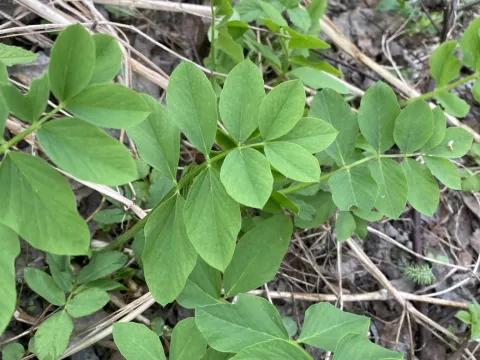
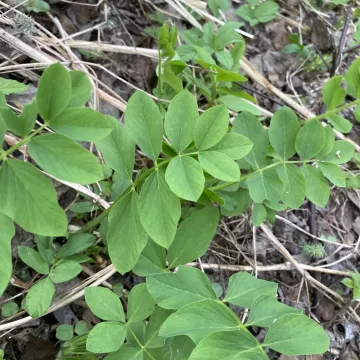
Botanically, Galega orientalis features robust stems that can reach heights of up to 150 centimeters. It produces compound leaves and characteristic clusters of blue-purple flowers. The root system is deep and complex, allowing the plant to fix atmospheric nitrogen efficiently through symbiotic relationships with bacteria, thereby improving soil fertility.
Cultivation requirements involve careful soil preparation and seed management. For optimal yields, it prefers fertile, well-drained loamy soils and requires a neutral pH. One critical aspect of its management is the inoculation of seeds with specific rhizobia bacteria before sowing, as this is essential for the plant to thrive and achieve its full yield potential.
The agricultural usage of goat's rue is primarily centered on animal nutrition. It provides high-quality hay, silage, and pasture, characterized by high crude protein content and excellent digestibility. Typical pests include various weevils, while fungal diseases like powdery mildew may occur under humid, poorly ventilated conditions, necessitating proper field spacing and maintenance.
Photo gallery