
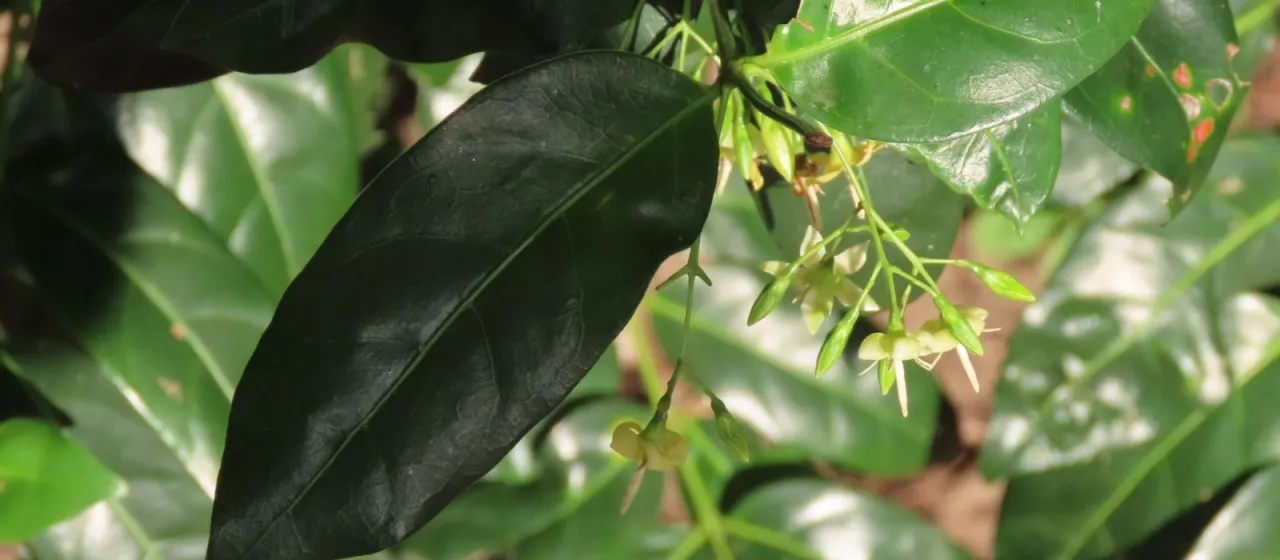
Description
Kraussia floribunda is a robust, evergreen shrub or small tree belonging to the Rubiaceae family. Recognized for its dense foliage and prolific flowering habit, this plant serves as a significant ornamental species in subtropical and tropical landscape architecture. Its botanical structure allows it to adapt to various niches, particularly in coastal or forest-edge environments.
Native to South Africa, Kraussia floribunda naturally thrives in humid environments. The species is well-adapted to coastal conditions, showing a notable tolerance for salty winds. Its geographical range and ecological distribution have made it a popular choice for reclamation and decorative gardening in areas that share similar climatic characteristics with its original habitat.
Botanically, the plant is characterized by its glossy, dark green opposite leaves and terminal clusters of small, fragrant flowers. The abundance of these flowers during the blooming season is the defining feature of the species. Following the flowering period, the plant produces small, ornamental drupes that contribute to its visual appeal and provide resources for local avian fauna.
The agrotechnical requirements for growing Kraussia floribunda focus on soil structure and irrigation management. It prefers well-drained, nutrient-rich soils that maintain moisture without becoming waterlogged. Regular application of organic matter and mulch is beneficial for root development, particularly when the plants are grown in managed garden settings rather than their native wild environment.
- Light Exposure: Partial shade to filtered sunlight.
- Soil Type: Well-drained, fertile sandy loam or clay soil.
- Watering: Consistent moisture, avoiding prolonged drought stress.
- Maintenance: Periodic pruning to encourage lateral branching and density.
The economic and practical use of Kraussia floribunda is predominantly centered on its utility as a hedging plant and in decorative gardening. Its structural density makes it ideal for privacy screens in seaside gardens, where other species might fail due to salt spray. The plant's versatility allows it to be used both as a specimen plant and as part of a larger ecological landscaping strategy.
Managing the health of the plant involves monitoring for common pests such as scale insects and mealybugs. Effective pest control relies on early detection and maintaining proper plant spacing to ensure airflow, which reduces the incidence of fungal diseases. Providing a balanced nutritional environment is key to helping the plant resist environmental stresses and maintain its lush appearance throughout the growing season.