
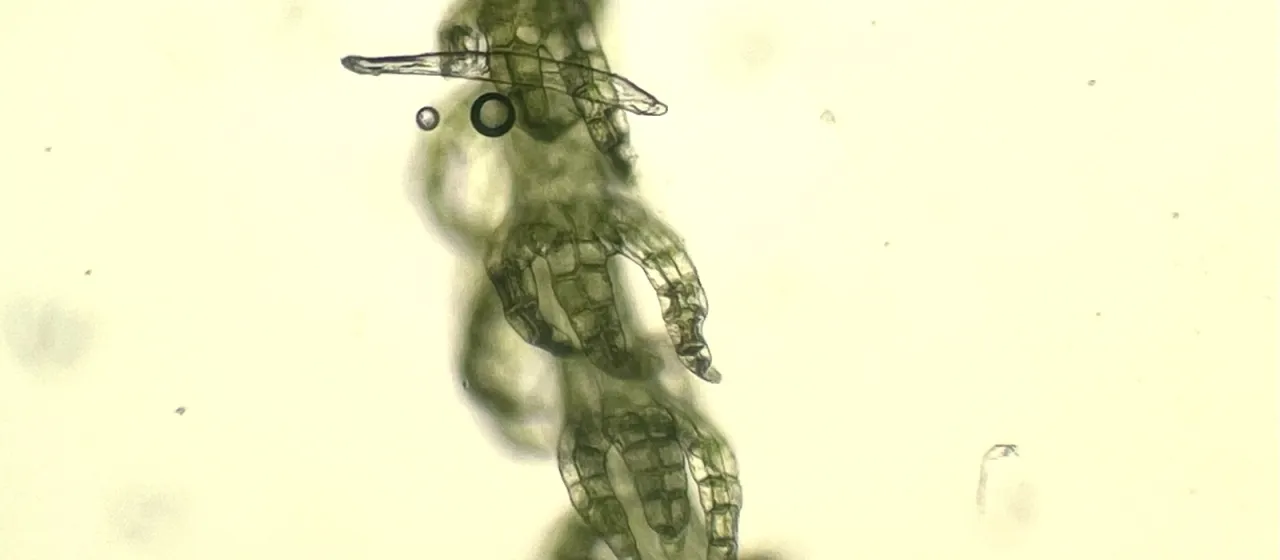
Description
Kurzia pauciflora is a minute species of liverwort belonging to the Lepidoziaceae family. While not an agricultural crop in the traditional sense of human cultivation, it is a specialized organism that plays a significant role in the biodiversity of peatland ecosystems, serving as a vital indicator of habitat quality and environmental health.
This species is widely distributed throughout the temperate and boreal regions of the Northern Hemisphere. Its natural habitat is strictly limited to acidic, nutrient-poor, and highly saturated environments. You will typically find it growing among sphagnum mosses in raised bogs, fens, and damp forest floors where the hydrological cycle remains undisturbed.
Botanically, the plant is characterized by its delicate, thread-like stems that exhibit complex branching patterns. The leaves are typically divided into fine segments, a feature that helps the liverwort maximize its surface area for moisture absorption and gas exchange in the high-humidity microclimates where it thrives.
In terms of environmental management, Kurzia pauciflora requires no artificial intervention; rather, it requires the preservation of its natural environment. It is highly sensitive to changes in soil pH and water levels. Drainage for agricultural development is the most significant threat, as the species cannot survive if the peat substrate dries out or is exposed to significant chemical changes from fertilizers.
The ecological significance of this liverwort lies in its role as an indicator of natural peatland processes. While there are no pests or diseases that affect its cultivation, the species is susceptible to environmental degradation. Conservation efforts focused on wetland protection are essential to ensure the continued survival of Kurzia pauciflora within its native range.