
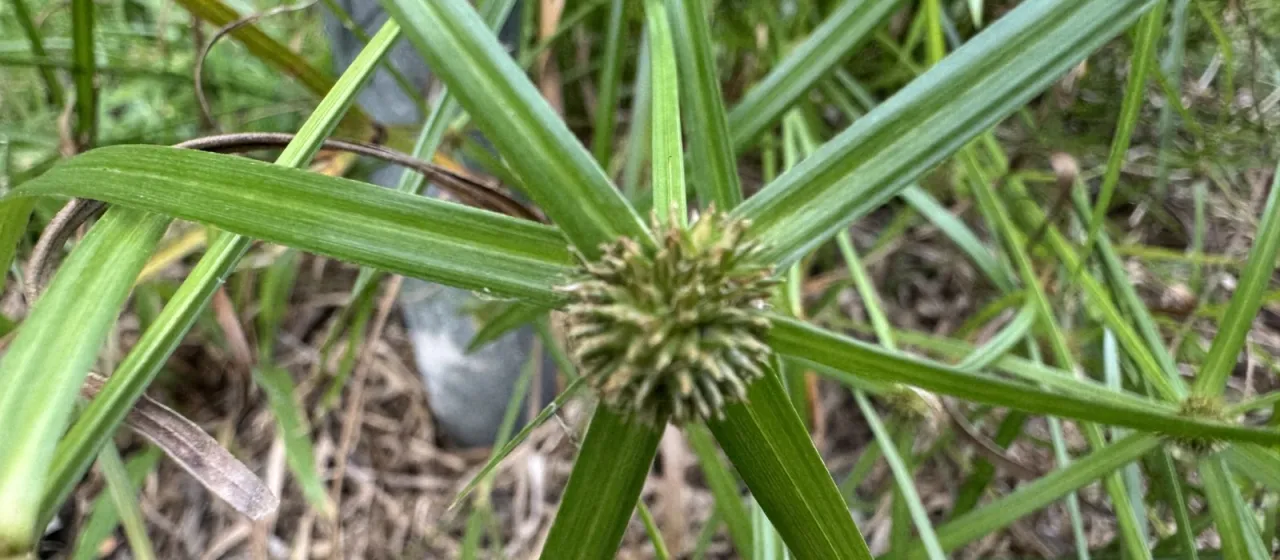
Description
Kyllinga polyphylla is a perennial herbaceous plant belonging to the Cyperaceae family. In agricultural science, it is recognized as a distinctive sedge species that plays a specific role in tropical ecosystems. Characterized by its vigorous rhizomatous growth, the plant is highly adapted to environments where water availability is consistent and soil moisture remains high.
The species originated in the tropical regions of Africa and has naturally expanded its range to other warm, humid climates worldwide. Its natural habitat includes wetlands, riverbanks, and marshy grasslands. As a potential agricultural crop, it is studied for its ability to thrive in marginal, waterlogged lands where traditional crops often fail to establish a healthy canopy.
Botanically, Kyllinga polyphylla is defined by its erect, leafy stems and compact, head-like inflorescences. The root system is dense and fibrous, which helps the plant establish a strong foothold in the substrate. Its leaves are narrow, tough, and arranged in a way that maximizes photosynthetic efficiency in humid, tropical light conditions.
Agronomic requirements for this crop prioritize high soil moisture levels and nutrient-rich, organic substrates. It thrives in full sunlight but demonstrates moderate tolerance to partial shade. Proper cultivation techniques involve precise management of planting density and consistent moisture monitoring to prevent stress during erratic weather patterns, although the plant is notably robust once established.
Common хозяйственное use cases include:
- Utilizing the species as a forage resource for livestock in wetland pastures.
- Employment in soil bioengineering for erosion control and slope stabilization.
- Investigation of its biomass as a sustainable raw material for mulching or compost production.
Disease management is critical, as the plant can be susceptible to fungal root pathogens if drainage is insufficient or if stagnant water promotes anaerobic conditions. Common pests include root-feeding nematodes and occasional insect larvae that target the tender stems. Integrated pest management, focusing on soil health and proper hydration, is essential for maintaining high-density, productive stands of this sedge.